Choose cloth napkins for the way you entertain
Consider size, texture and laundering before choosing a color that matches the table.
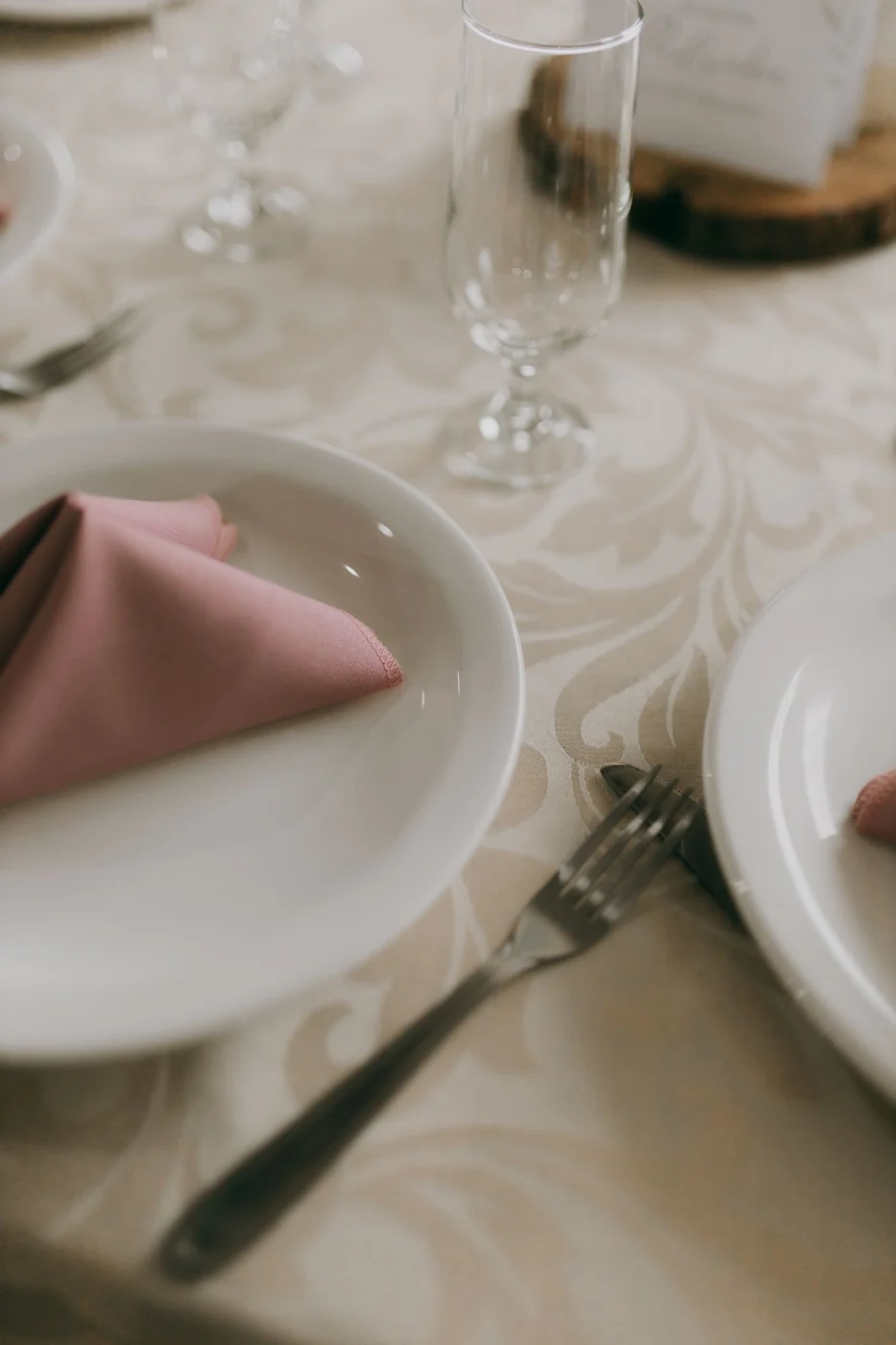
Cloth napkins are small enough to buy on impulse and numerous enough to become a cupboard problem. A set looks appealing in a display, but its usefulness depends on how it feels, how it washes and whether you can keep enough clean for the way you entertain. Color comes after those questions.
Unfold a sample if you can. A tightly folded napkin can hide a surprisingly small square, a bulky hem or a fabric that feels stiff against the hands. Consider how it sits on a lap and how easily it folds into a simple rectangle. There is no need to select a fabric that only looks good after elaborate pressing.
Read the care information before purchasing. The word linen does not tell you everything about a finished item; blends, dyes, trims and embroidery can affect its care. Choose a routine you are willing to repeat. A napkin that needs special treatment after every ordinary dinner may end up reserved for occasions that never arrive.
Buy for the actual table
Count the places you normally set, then consider whether you need a few spares for an additional guest or a laundry delay. Buying several unrelated small sets can leave you with plenty of napkins but no easy combination. If you like variety, connect the sets through texture or color rather than insisting they match exactly.
A quiet background color can work with both plain and patterned plates. Dark colors are not automatically easier to maintain; fading, lint and detergent marks may be more visible on some fabrics. Very pale colors can show spills clearly, but they may also be simple to combine across seasons. Compare the options in the light of the room rather than relying entirely on a product photograph.
For everyday storage, fold the napkins in a way that fits the shelf without compressing them into a dense bundle. Keep the sets you use most at the front. Separate damaged pieces so they do not repeatedly appear when you are setting the table in a hurry.
It is possible to build a collection slowly. Start with one versatile set, learn how it behaves after several washes and then decide whether another color would add anything useful. The goal is a napkin you reach for without hesitation, not a stack that needs its own special occasion.