Seasonal Decorating Without Rebuilding the Room
Choose a few places that can change with the year, and let the useful foundation of the room stay put.
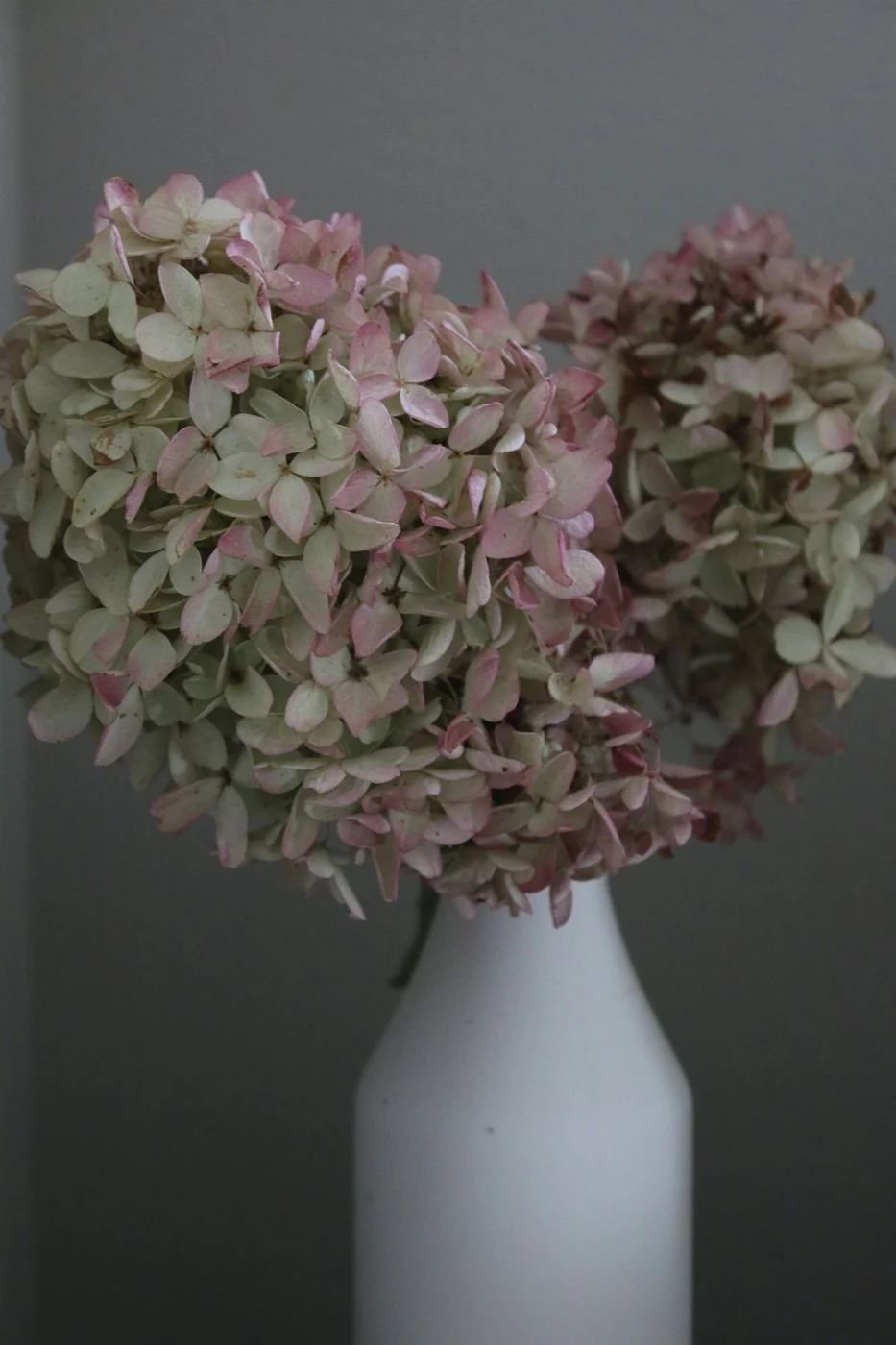
Seasonal decorating becomes tiring when every change feels like a small move. Cushions come off, objects need new homes, boxes appear, and the room spends several days halfway between two versions of itself. A more manageable approach begins by deciding which parts will not change.
Keep the furniture arrangement, useful lamps, and everyday surfaces as the foundation. Then choose two or three places where a small shift is noticeable: a textile on the sofa, an arrangement on a shelf, or one accent near the entrance. Those places become the seasonal layer rather than an invitation to reconsider the whole house.
Pick changes that can stand alone
A single color adjustment can be enough. Replacing a dark cushion cover with a paler one may make the seating area feel lighter without new curtains, art, or accessories. In autumn, a deeper accent can do the reverse. The change works because the background remains familiar.
Texture can be a separate route. A smooth fabric may suit the mood you want in warmer months; a more visibly woven layer may feel appealing later in the year. Those are visual choices, not rules about what a room must wear in a particular month. Keep whatever is comfortable for your climate and household.
Objects should fit the existing scale of the surface. A small seasonal piece does not need a larger tray, several companions, and a new table runner to justify its arrival. If the addition only works after everything around it has changed, reconsider whether it belongs in this limited seasonal layer.
Make the change in one sitting
Set out what you intend to use before removing the current arrangement. Compare the new pieces with the room and choose the few that contribute something different. It is easier to edit on a table than after every object has found a temporary corner.
Put aside the displaced items immediately rather than leaving them around the room. Otherwise the seasonal addition becomes an accumulation. A new arrangement looks clearer when the previous one is actually gone.
Keep a simple photograph of the result if you like it. The picture can remind you that one branch arrangement and two covers were enough, even when next year's displays suggest you need an entirely new collection.
The room should remain recognizable and easy to use throughout the year. A seasonal change is successful when you notice a fresh mood while still being able to put down your keys, sit comfortably, and find the things that belong there every day.