Look beyond the finish on a secondhand dresser
A pleasing color is only the beginning of a secondhand furniture decision.
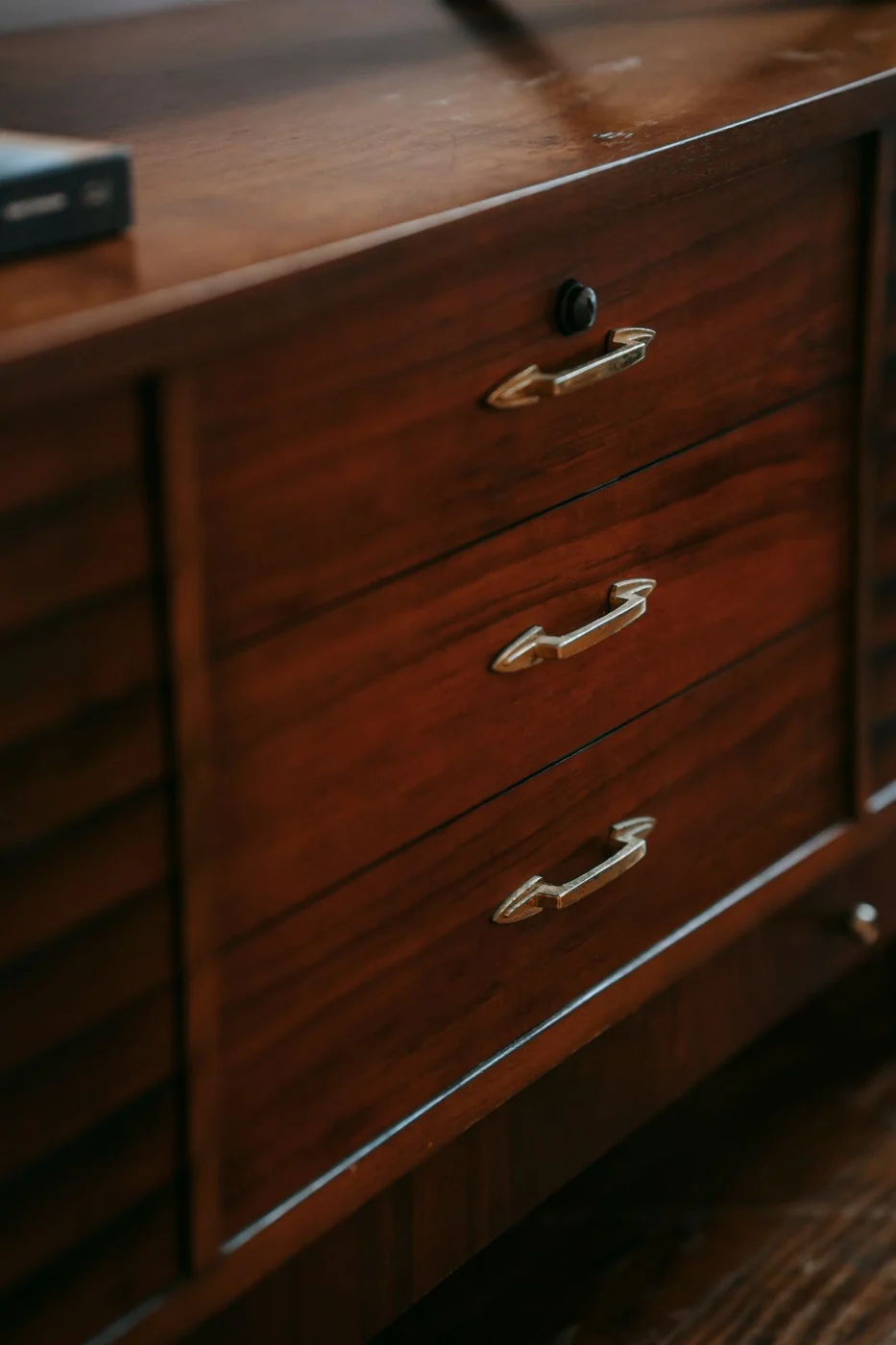
The photograph shows a soft blue dresser with attractive handles. The listing says it has character. Neither tells you whether the drawers work, whether the case is sound or whether it will suit the room you have in mind. A secondhand dresser deserves a slower look than its finish initially invites.
Begin with the measurements. Record the width, depth and height, then consider the space needed to open the drawers and stand in front of them. A dresser can fit against a wall while making the room awkward to use. Include projecting handles and any decorative top that extends beyond the main case.
Ask for the unflattering views
A straight-on photograph is useful, but the sides, back, top and drawer interiors may reveal more. Request clear images of damage instead of accepting phrases such as minor wear without context. Ask whether repairs have been made and whether hardware is missing. A vague answer is not proof of a problem, but it leaves you with an uncertainty to price and evaluate.
If viewing in person is possible, open and close the drawers one at a time without forcing them. Notice scraping, unusual gaps, loose handles and signs of previous repair. Do not assume that a sticking drawer only needs a quick adjustment. The cause may be simple or may require skilled work; decide based on what you can verify rather than an optimistic repair plan.
Look for loose or lifting surfaces, damaged edges and signs of moisture. Do not try to identify every material or finish by appearance alone. A seller may use the word wood to describe a piece containing veneer or several different materials. Ask for available maker information, labels and care guidance.
Separate cosmetic preferences from condition
A finish you dislike is different from a damaged structure. Painting a piece will not repair a weak joint or solve a serious drawer problem. If an older coating is unknown, do not plan to sand or strip it casually. Get appropriate advice about the material and any hazards before disturbing it. A piece that needs specialist restoration may still be worth buying, but it belongs in a different budget.
Furniture safety also matters after purchase. Check available model information against recalls and follow current anchoring guidance and the manufacturer's instructions. A heavy dresser is not automatically safe from tipping. If the necessary information or safe installation cannot be established, reconsider the purchase rather than relying on its apparent weight.
Add delivery, carrying, suitable securing and any confirmed repair costs to the asking price. Check the route into the home, including stairs and turns, and agree what the seller or delivery service will actually do. Secondhand terms may differ from those of a new-furniture retailer, so understand the arrangement before paying.
A good purchase does not have to be flawless. A small mark that you can live with is often less troublesome than a hidden repair that you cannot assess. The useful question is not whether the dresser looks perfect in a photograph, but whether its known condition and total cost make sense for the job it will do.
Further information: CPSC: preventing furniture tip-overs.