Which serving dishes earn their cupboard space
The most useful serving pieces are the ones that suit your meals, fit your table and return easily to storage.
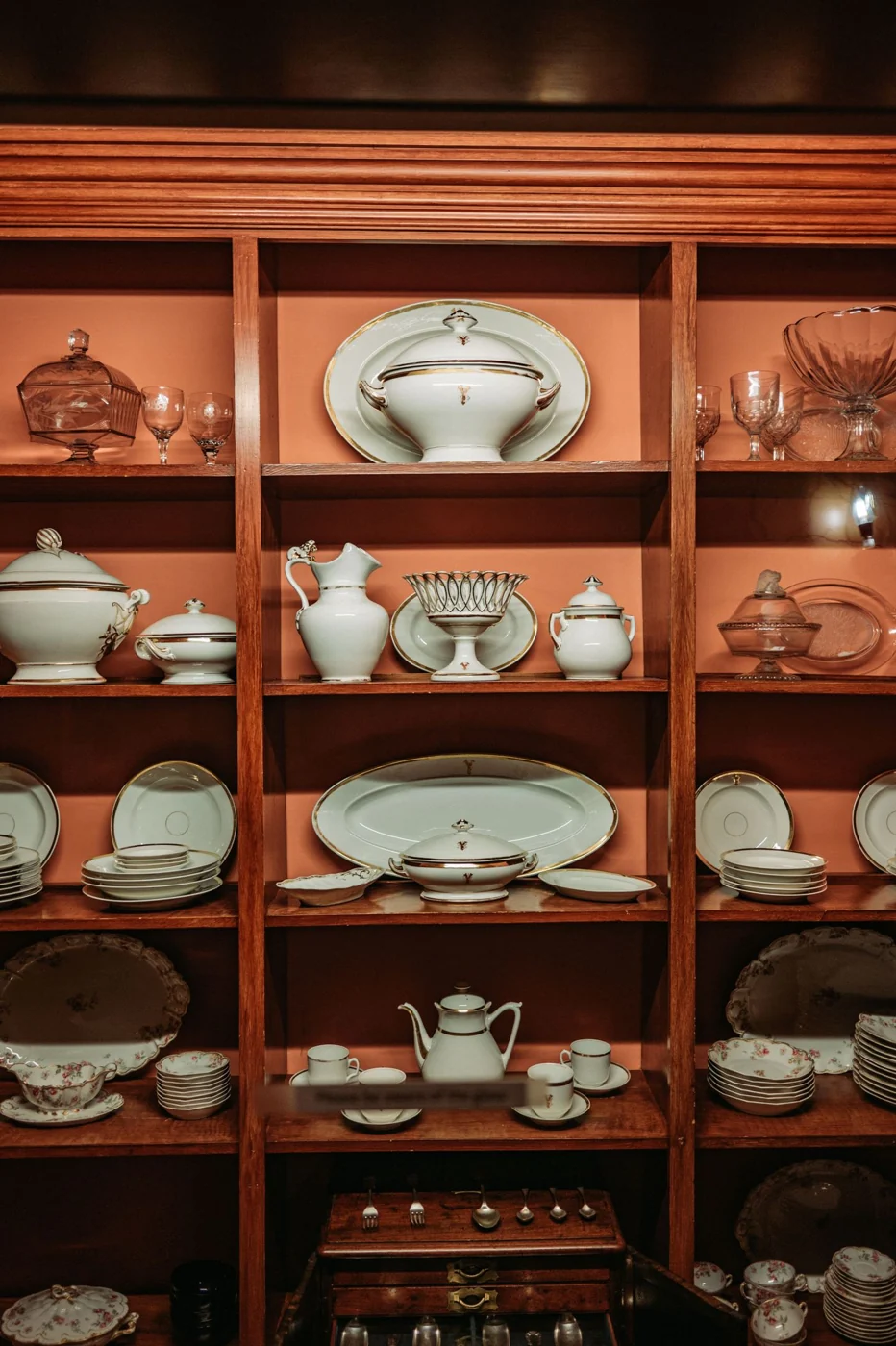
A serving cupboard can be full while still failing to provide the bowl you need. There may be several tiny dishes, an oversized platter and a beautiful stand that never fits on the table. Editing the collection begins with the meals you actually serve, not with the idea of a complete entertaining set.
Take out the pieces you used during the last few gatherings. Look at their shapes and capacities. A shallow bowl may work for salad, vegetables and bread, while a specialized divided tray may only suit one particular snack. Versatility does not make an object plain; it makes it easier to justify the space it occupies.
Notice the awkward pieces
Some dishes are difficult because of their size, others because of their handles or weight. Pick up a piece as if it were full. Can you hold it securely? Can it be passed around the table without forcing someone to reach across another guest? A platter that works on a large buffet may be wrong for a narrow dining table.
Check the storage route too. If a bowl can only be removed after lifting three heavy pieces, it is unlikely to become an everyday favorite. Avoid stacking fragile or uneven items in a way that puts pressure on rims or handles. Use the maker's guidance for dishwasher, oven and microwave suitability rather than assuming that all ceramic serveware behaves alike.
Keep a few unusual pieces if you enjoy them and have room. An edit need not reduce everything to the most efficient object. The useful distinction is between a piece with a clear place in your life and one kept because it might someday become essential. Try using a neglected dish for an ordinary meal before deciding it belongs only to special occasions.
Before buying another platter, write down the missing job: a medium bowl that can be passed easily, a tray that fits the sideboard or a dish with a lid for a particular use. Measure the cupboard and the serving surface. A precise need leads to a better choice than a vague sense that the collection is incomplete.
When the cupboard is working well, setting out a meal becomes a small act of selection rather than a search. Leave enough space to see the pieces you have decided to keep.