Arrange baking equipment around the jobs it does
Put the bowl, pan, and tool for a familiar task within easy reach of one another.
A baking cabinet can look full even when you own relatively little equipment. Sheet pans lean across mixing bowls, cake tins hold loose cutters, and a hand mixer sits behind something too heavy to move casually. Organizing by object type is tidy in theory, but organizing around what you actually bake can be easier to use.
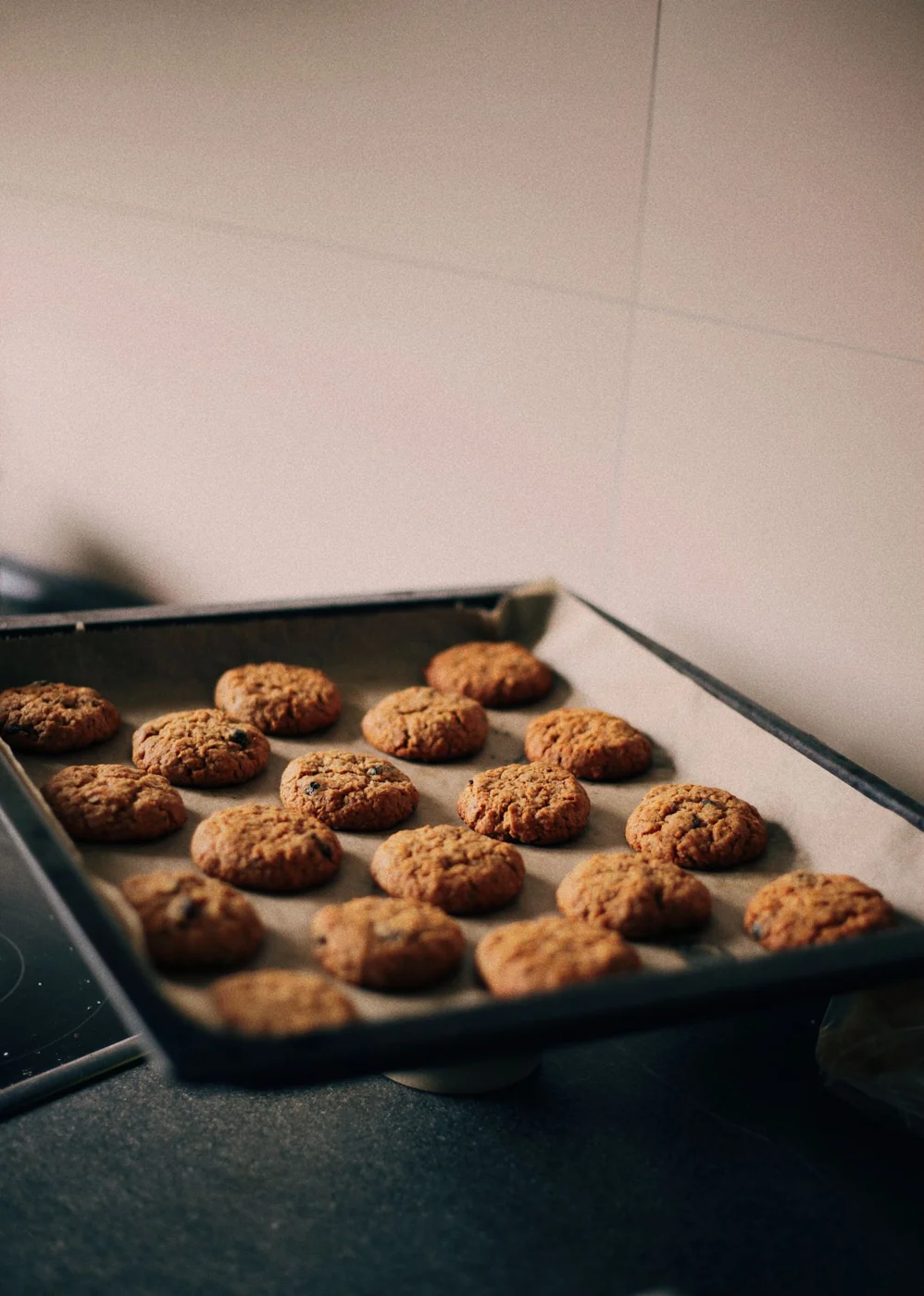
Take one familiar job as a starting point. For a batch of cookies, you might need a mixing bowl, measuring tools, a scraper, and a baking sheet. Set these on the counter and notice which cabinet areas they came from. The goal is not necessarily to put every item together, but to reduce awkward reaching and unnecessary rearranging.
Let flat things stand when the space permits
Baking sheets and cooling racks are often easier to retrieve from a supported vertical section than from the bottom of a horizontal pile. Check the opening height, hinge clearance, and weight of the pieces before adding dividers. A divider that flexes or a narrow slot that traps a pan edge will be irritating every time you bake.
If vertical storage is not possible, keep the stack shallow and arrange the most-used piece on top. Do not make a rarely used roasting pan the lid of your everyday baking equipment. Large holiday pieces can move to a less convenient location if you can still retrieve them safely when needed.
Bowls can nest, but only to a point. A nesting set that has to be dismantled completely for the middle bowl may be less convenient than two separate stacks. Protect surfaces where the manufacturer recommends it, and avoid jamming different shapes together simply because the rims appear to fit.
Keep small cutters, piping tips, and loose accessories in a contained section rather than inside whichever pan has space. One small box is enough if it opens easily and the contents are visible. Sharp items need secure, appropriate storage; they should not be loose in a mixed container where someone reaches blindly.
Give occasional projects an honest amount of space
A specialty pan used every few years may deserve a home, but it does not need the best shelf. Decide whether the item is genuinely difficult to borrow or replace for an occasional project. Equipment kept for an imagined baking habit can quietly displace the simple tools used every weekend.
Heavy appliances belong where you can lift them comfortably. Read the appliance's storage instructions and keep cords controlled without stressing them. Do not build a storage arrangement that requires pulling a mixer down from above your head just to make the cabinet appear balanced.
Try the new arrangement on a normal baking day before adding labels or more containers. Notice whether wet tools have a clear route back after washing and drying. If a bowl can only return after three other pieces are removed, adjust that section while the problem is fresh in your mind.
A useful baking cupboard does not need to look like a shop display. It needs enough clearance to take out a tray, a predictable place for small parts, and a way to put things away when you are tired of cleaning up. Those details matter more than whether every container has the same lid.