Keep bathroom backups from filling every cupboard
Make the reserve supply visible enough that buying another bottle becomes a deliberate decision.
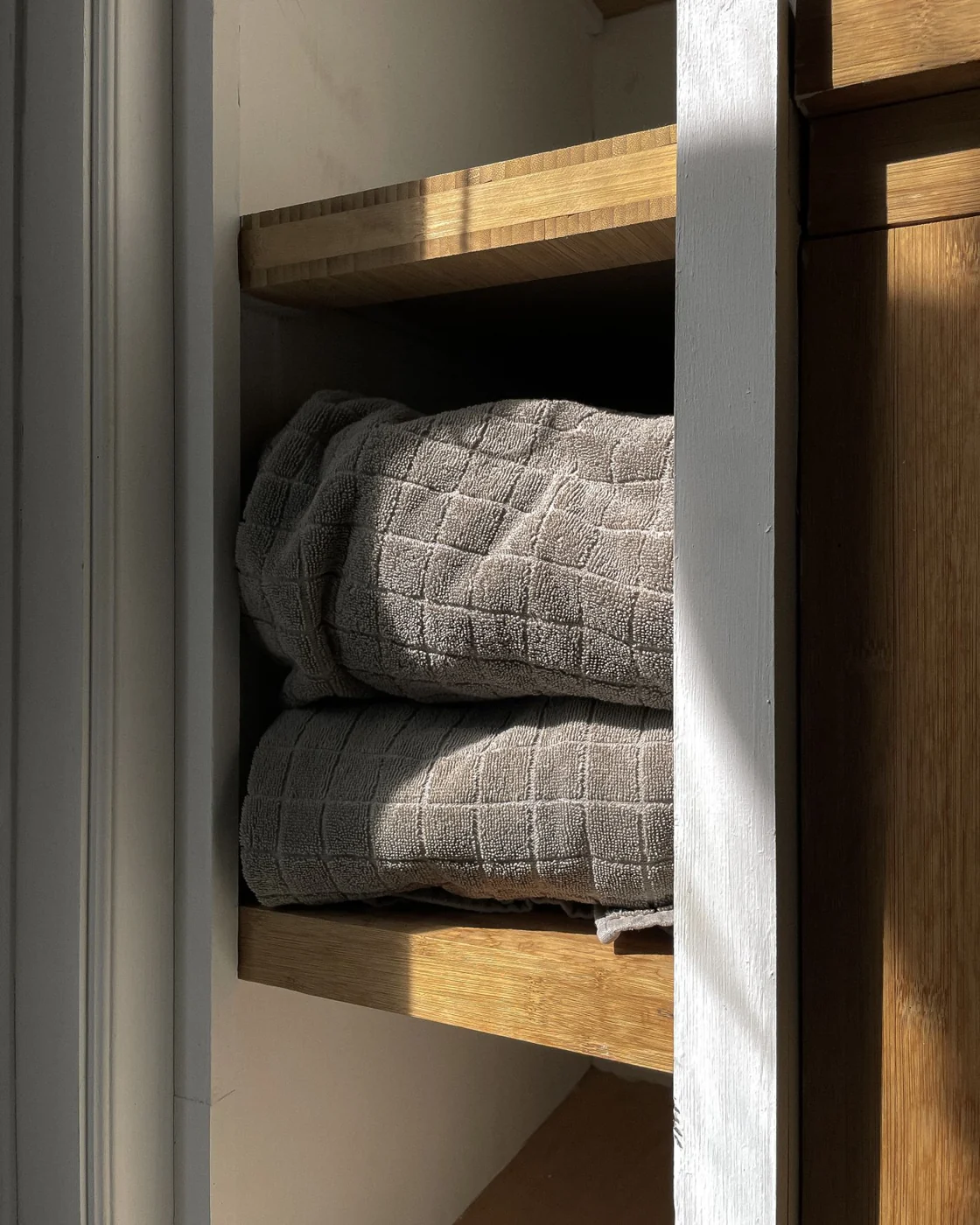
Three unopened shampoos can hide surprisingly well behind a row of cleaning supplies. They stay there while another bottle arrives from the store, and the bathroom cupboard grows fuller without becoming more useful. Backups need a separate place from products currently in use, even if that place is only one small basket.
Gather the reserve items and group them by what they replace. Check dates where provided and follow the storage guidance on each label. Keep products in their original containers so instructions, ingredients, and warnings remain available. A clear-looking bottle is not an improvement if no one can identify its contents.
Choose a modest space for each useful reserve. One spare soap refill or a limited number of toothbrushes may be enough for a particular household; larger households or infrequent shopping routines may need more. The right quantity comes from actual use and access to supplies, not a universal rule about how many backups everyone should own.
Place older suitable products toward the front and avoid buying replacements until there is room in their assigned section. If a product is no longer used, decide what to do with it now. Do not retain unsuitable toiletries indefinitely because throwing them away feels wasteful. Follow local disposal guidance where a product should not go into ordinary waste or down a drain.
A bathroom may not be the best location for every spare. Heat and moisture can affect some products, and medicines often have specific requirements. Read their instructions and choose secure, appropriate storage rather than assuming the bathroom cabinet is suitable.
Make the first spare easy to reach
The product that replaces an empty everyday bottle should not require unpacking the entire cupboard. Keep it near the front while the less frequent items can sit farther back. Avoid storing heavy refill bottles on a high shelf where they are difficult to lift safely.
A quick look before shopping is more valuable than a detailed inventory that nobody updates. If the reserve basket can be understood at a glance, it will usually tell you what is missing. When it cannot, reduce the number of categories in that container or move a group elsewhere. The cupboard should reveal the supply, not disguise it.