Store craft supplies so unfinished work can restart
Organize for the next step of the project, not only for a tidy photograph of the materials.
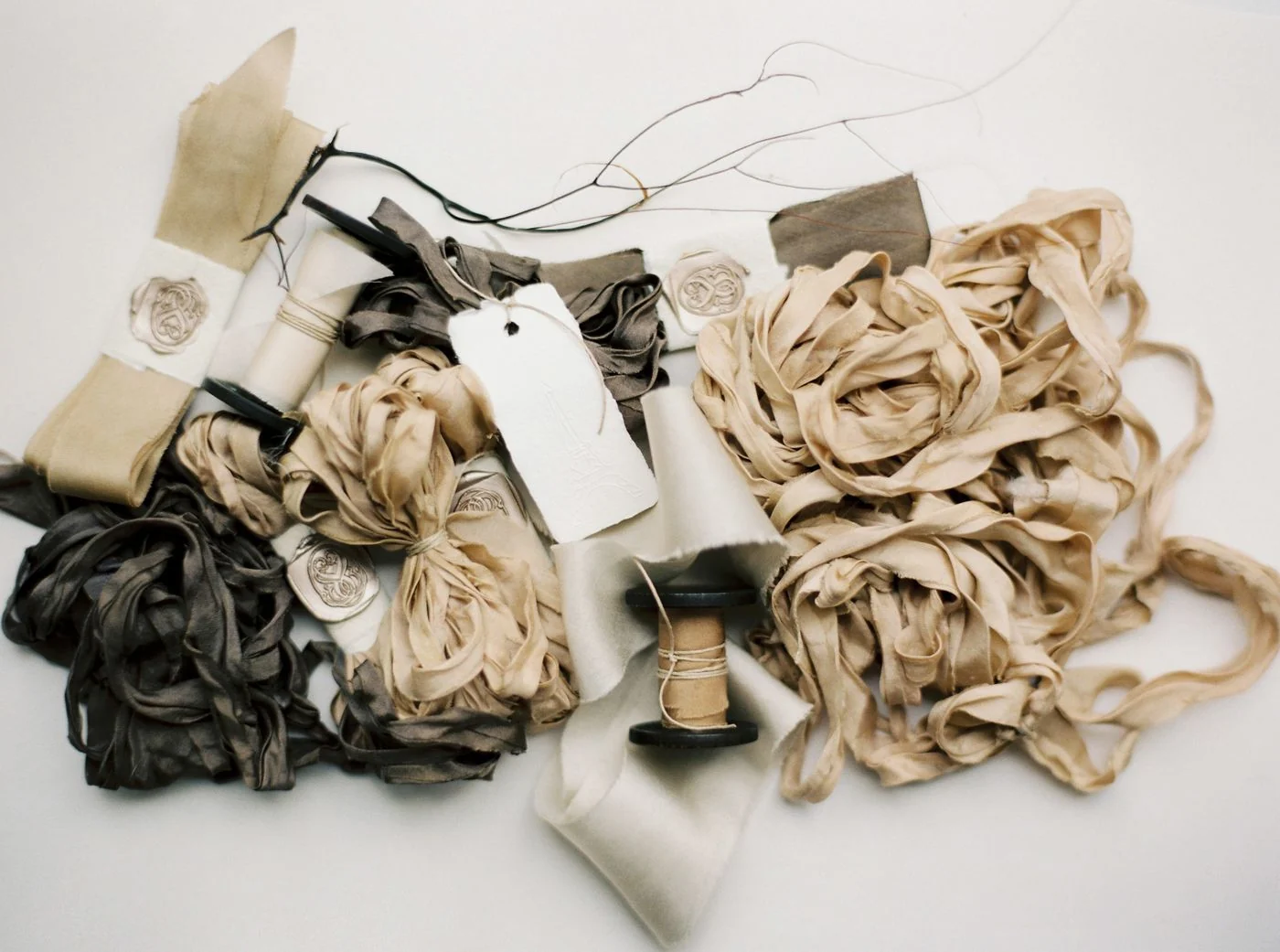
A project is easier to resume when its next step is obvious. The half-finished piece, the matching thread, and the small tool needed to continue should not be scattered across three storage places. Keeping everything visible, however, can overwhelm a room that also serves another purpose.
Separate active projects from the general supply collection. Give each current project a shallow box, tray, or pouch that holds its working materials together. Include a brief note about the next step if the work will be interrupted for more than a few days. That note can save more time than another set of tiny drawers.
Keep supplies by the way they are selected. Thread may be chosen by color, paper by size, and tools by task. These groups do not need identical containers. Long materials need support, loose small parts need containment, and fragile pieces need protection from pressure.
Visibility has limits
Clear containers can help you recognize contents, but they are not right for every material. Some supplies need protection from light, moisture, heat, or dust. Follow storage instructions for paints, adhesives, solvents, and other products, and secure sharp or hazardous materials away from children and pets. Attractive open shelving does not make unsuitable exposure harmless.
Keep labels descriptive where the contents cannot be seen. A container marked sewing repairs is easier to understand than one marked miscellaneous fabric. If a project box holds several small components, put those in smaller closed packets rather than allowing them to migrate to the bottom.
Do not make every scrap equally accessible. Useful remnants can have one limited section, arranged so their size is clear. Tiny pieces kept without a likely purpose tend to slow down the search for materials that can actually finish a project. The limit can be physical: when that box is full, review it before adding another handful.
Leave a place for work to rest safely between sessions. A tray that can move from the table to a shelf is useful in a shared room, but check that wet finishes or drying materials can be handled and stored as their instructions require. Some stages need a protected workspace rather than portable storage.
At the end of a session, return tools first and keep the active materials together. You do not have to restore the whole room to a showroom state. The better question is whether you could sit down tomorrow and continue without searching, sorting, or trying to remember what the small unfinished pieces were meant to become.