Keep incoming mail from taking over the entry
A tray helps only when it has a clear route out as well as a place to drop things in.
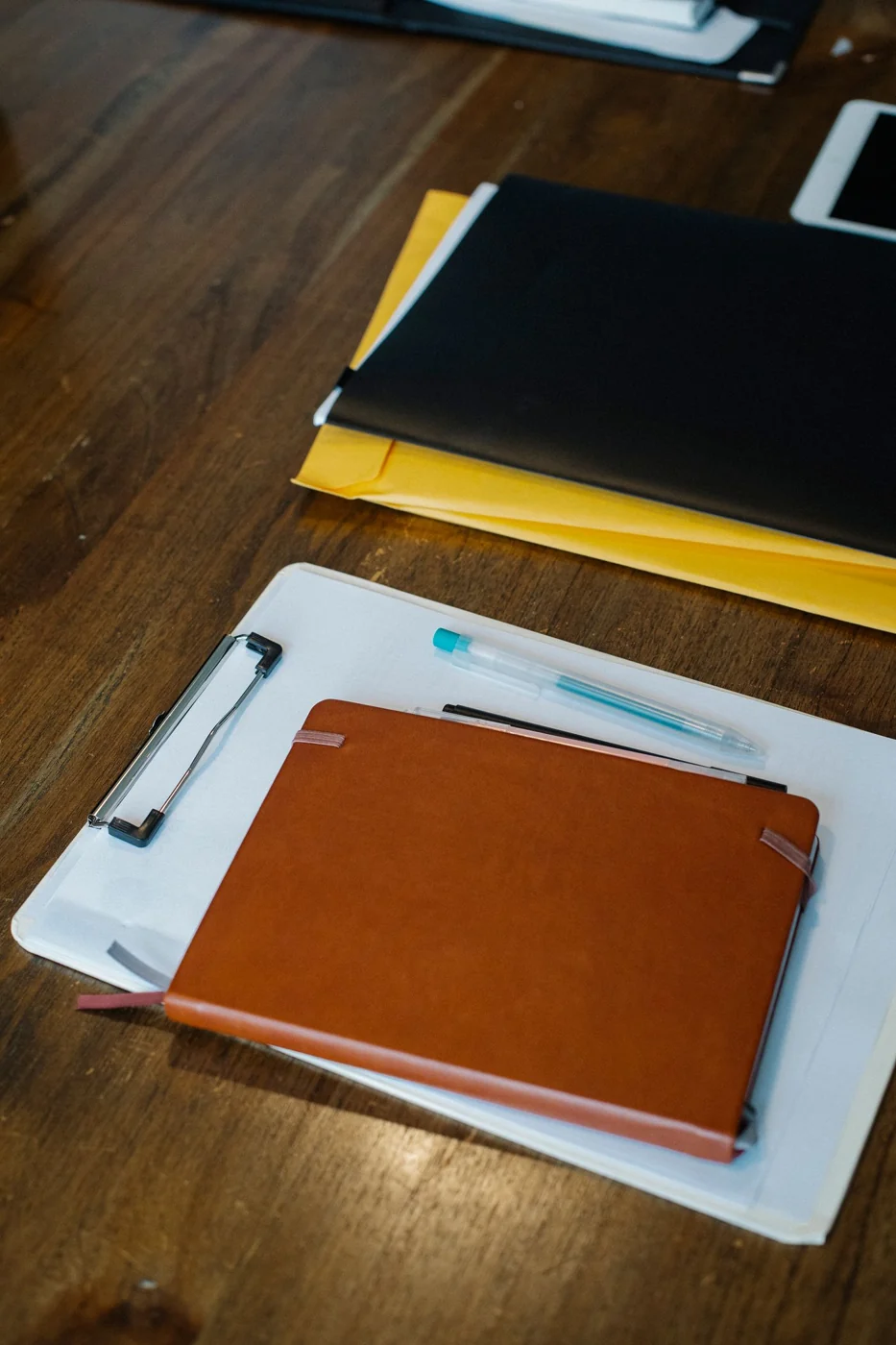
Mail arrives at an inconvenient moment. You are holding a bag, looking for a key, or trying not to leave the door open. An entry tray gives the papers somewhere to land, but it cannot make decisions about them. Without a second step, it becomes a low, decorative wastebasket with important documents mixed in.
Choose a tray that suits the amount of paper arriving between the times you can realistically sort it. A huge basket encourages long delays. A tiny dish forces envelopes onto the surrounding surface. An open tray with a flat base usually makes the contents easier to see than a deep basket with sloping sides.
At the first opportunity, separate obvious recycling from anything that needs attention. Handle papers containing personal information according to their sensitivity rather than putting everything into an open recycling bin. Important mail should not sit in a public-facing window or a place where visitors can read it casually.
Give unfinished paper a second home
An item needing a phone call or payment is no longer incoming mail; it is a task. Move it to a small action folder or another place where you actually handle household paperwork. A document that must be retained belongs with its records. This distinction keeps the entry from becoming a miniature office.
If several people receive mail, use a simple way to separate it without creating a row of elaborate accessories. Two flat folders may be enough. Agree on who moves each person's papers onward so that an envelope is not repeatedly passed from one side of the tray to the other.
Set the tray where it does not interfere with keys, a lamp switch, or the place used for grocery bags. The best location may be a nearby shelf rather than the most visible console. Leave enough room to put down an envelope with one hand.
Make the clearing habit attach to something that already happens: checking the next day's calendar, paying a weekly bill, or returning from the grocery store. It need not be daily if the volume is low. The point is a dependable opportunity to empty the tray, not a rigid timetable that fails after one busy evening.
When the tray remains full, look for the stalled decision. Perhaps the action folder is elsewhere, the recycling is inconvenient, or no one knows where a particular record belongs. Buying a second tray would make room for the delay. Solving that small missing step will keep the original one useful.