Let a glass-front cabinet hold ordinary things
A glazed cabinet can look settled while holding dishes and objects that are used regularly.
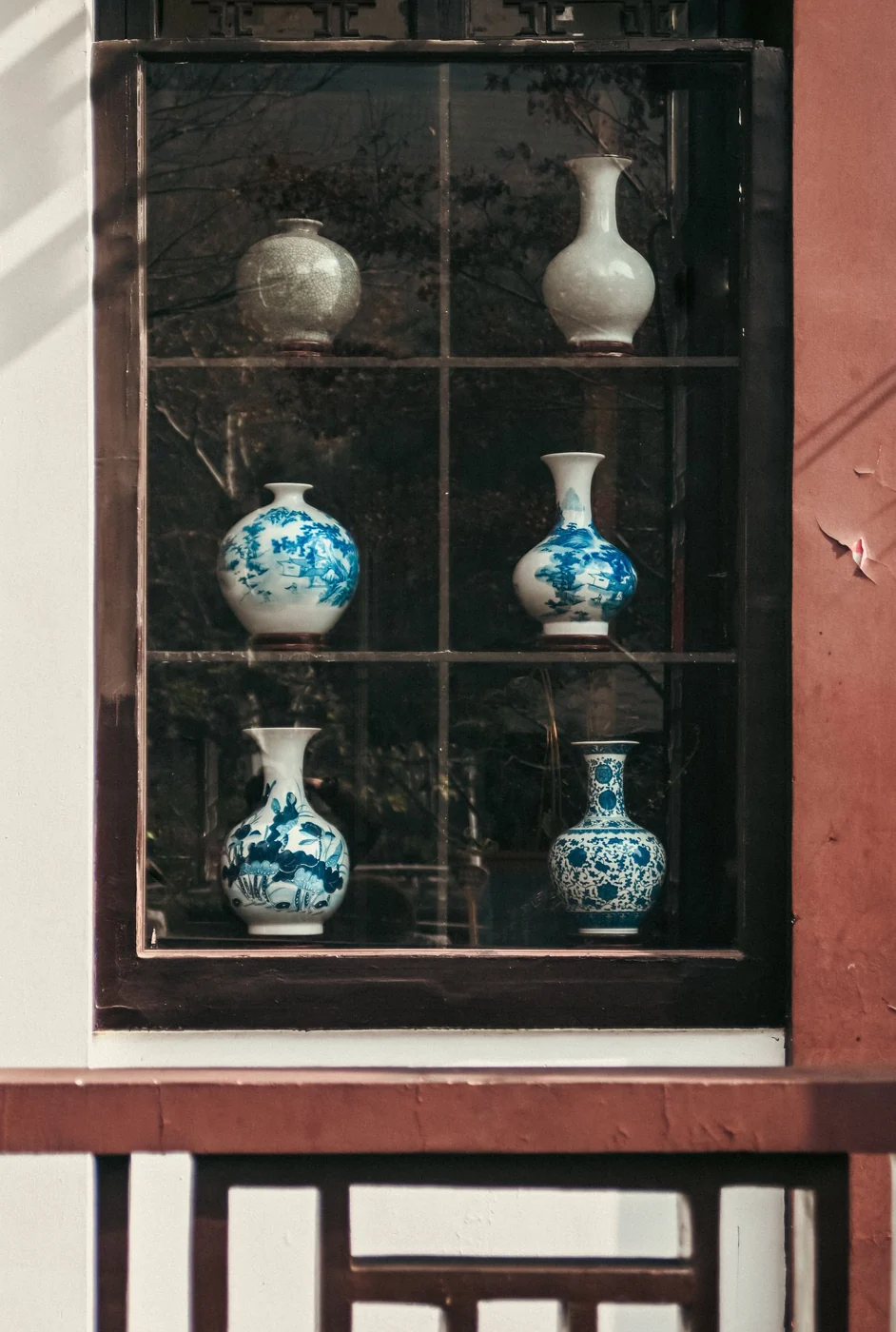
The appeal of a glass-front cabinet is that its contents become part of the room. The difficulty is exactly the same: everything inside is visible, including the shelf that became a temporary home for unrelated objects. A useful arrangement does not have to resemble a shop display. It needs enough order that the cabinet reads clearly from a few steps away.
Begin with the pieces that belong there for practical reasons. Everyday dishes, serving bowls or a small collection may already have a natural grouping. Put the items used most often where they are easy to reach, and follow the cabinet's shelf-load and safety guidance. Do not move heavy objects upward merely to improve a photograph.
Try grouping by use before grouping by color. Plates together and glasses together can create a calm pattern without much styling. If the shelves feel busy, leave a little open space between groups instead of adding decorative objects to bridge every gap. The back of the cabinet is allowed to remain visible.
A few changes in height can make the arrangement more legible. A stack of plates beside a taller jug has a clearer outline than several objects of nearly identical size. Make sure everything is stable and easy to remove. Display stands should suit the objects they support; an attractive but insecure arrangement is not a good storage solution.
Look through the closed doors. Glazing, frames and reflections change what you can see. A shelf that looks balanced with the doors open may appear divided awkwardly when they close. Adjust the groups to work with those vertical lines rather than fighting them.
If the cabinet is mainly storage, accept that the arrangement will change as things are used. Leave enough room to return a bowl without rebuilding a composition. An overly precise display can make ordinary use feel like damage.
Keep the exterior simple when the interior is detailed. A crowded top adds a second display above the first and can make the whole piece feel taller and heavier. One useful object or nothing at all may be the right finishing choice. The cabinet already has a visual story behind the glass.