Layering a Small Rug With Intention
Two rugs should solve a proportion or comfort problem, rather than create another obstacle under the furniture.
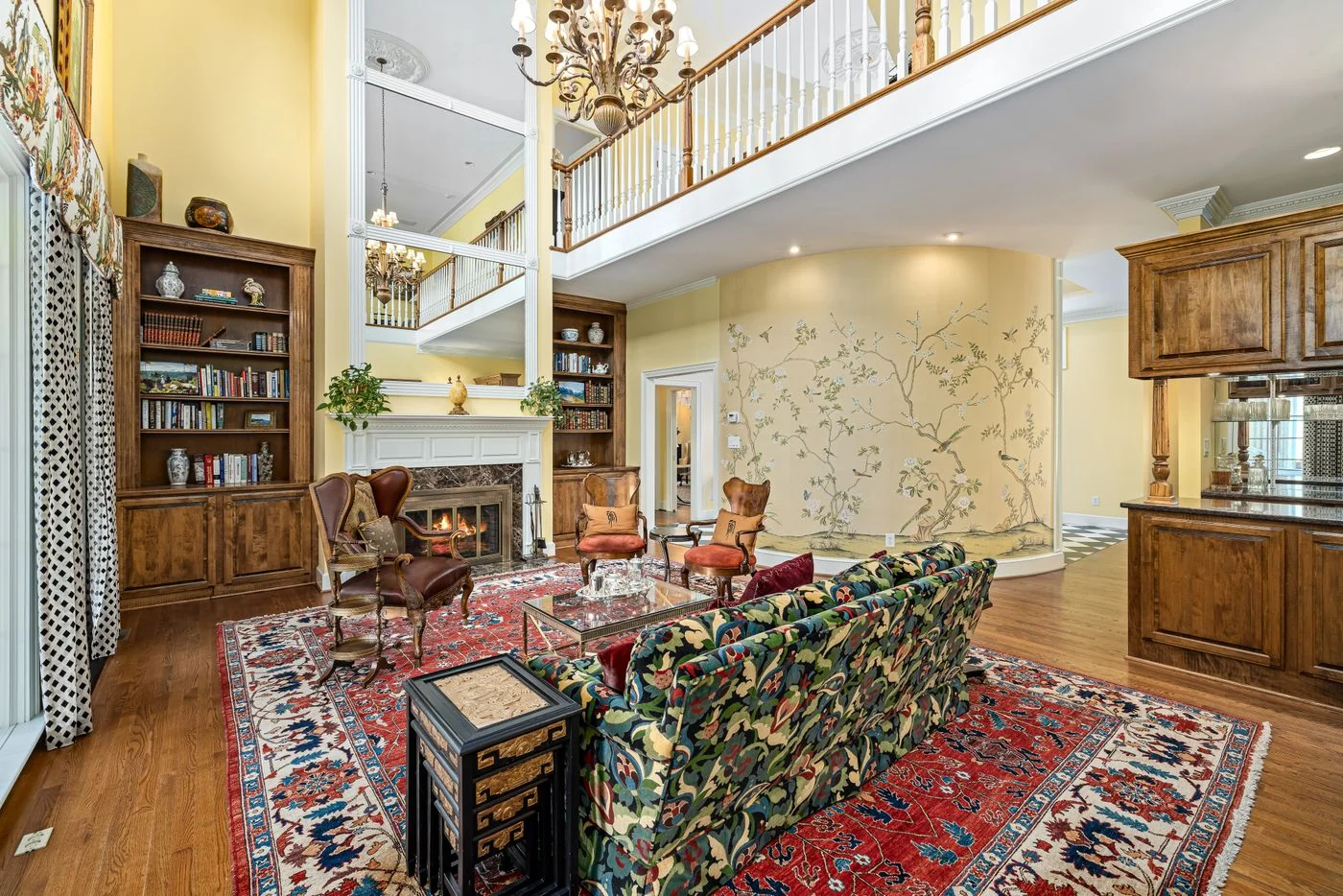
A small rug can be lovely on its own and still look lost beneath a seating arrangement. Layering it over a larger, quieter rug is one possible response. It gives the smaller piece a broader base without asking it to cover an area it cannot reach. But the extra layer has to work under feet as well as in a photograph.
Begin with the reason for layering. Perhaps you own a patterned rug that is too small for the room, or you want a softer surface within a larger woven area. If the only reason is that layered rugs appear in inspiration photos, try the room with one rug first. A second layer adds edges, height, and care requirements.
Build a stable base
The lower rug should relate to the furniture grouping, not simply provide a narrow border around the upper one. Mark its proposed outline on the floor and place the furniture as it will actually be used. A sofa, chair, and table should not become awkwardly divided by a series of unrelated edges.
Check the manufacturers' guidance for the rugs, floor surface, and any pads. Different materials need different support, and a pad suitable for one floor may not be appropriate for another. Do not assume that the weight of a coffee table will keep every corner stable. If a layer shifts, wrinkles, or catches feet, the arrangement needs changing.
The upper rug can sit straight or at an angle, but an angle should have a reason beyond looking casual. It may connect a chair to the sofa or center the pattern beneath a table. Watch where its corners land. A corner in a main walking path is less forgiving than one tucked within a quiet seating area.
Let one rug carry the pattern
A plain or softly textured base usually makes it easier to read a more detailed top rug. Two equally assertive patterns can become a visual argument, especially when the room already includes patterned textiles. Compare the rugs with the sofa and curtains in view, rather than evaluating them as an isolated pair.
Color does not have to match exactly. A warm base might bring out a small cream detail in the upper rug, while the main pattern remains distinct. What matters is that the edge between them looks intentional. A base only slightly larger than the top rug can resemble an accidental sizing mistake; a more generous visible area usually makes the relationship clearer.
Live with the arrangement before adding more decor around it. Walk the normal route, move a chair, and sit down with a drink. Check whether table legs are level and whether doors clear the combined thickness. If the layers keep requiring correction, use the smaller rug in another room. Keeping a favorite piece does not require making it work in the most complicated possible way.