Arrange a Living Room for Conversation
Arrange the seats around the people who use them, with the room’s main route passing comfortably beside the group.
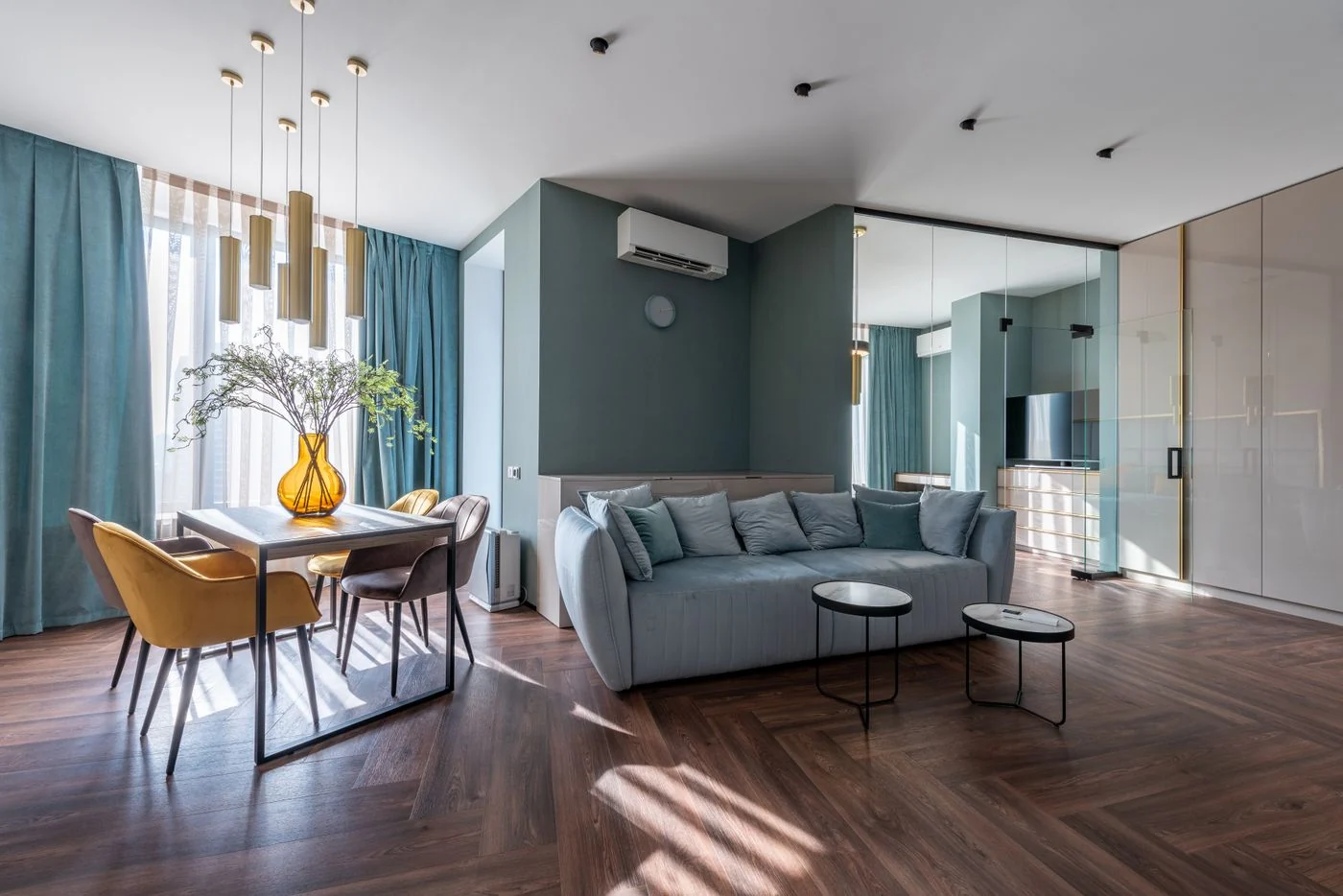
A living room can contain enough seats and still make conversation awkward. Chairs may face the television while guests turn sideways to speak, or the sofa may sit so far from everything else that the group feels scattered. The furniture count is not the same as a usable arrangement.
Start with the seats used most often. Place them so that people can see one another without continually twisting or leaning forward. The exact distance depends on the room and the people using it, so test the arrangement by sitting in it rather than relying only on a drawing.
Keep the principal walking route clear. A path from the entrance to another room should not require stepping between a seated person's knees and the coffee table. If that route divides the group, shift the furniture or reduce the number of pieces. A chair that fits geometrically may still be in the wrong place.
Give each seat a complete role
A useful seat often needs somewhere nearby to put a drink and enough appropriate light for the activities that happen there. It does not always need its own matching side table. A shared table can work if both people can reach it comfortably and it does not create a squeeze point.
Angle a chair only if the angle improves the relationship. A slight turn can make a straight-lined room feel more welcoming, but dramatic diagonal placement consumes space quickly. Look at the arrangement from the doorway and from the seats themselves. The appealing overhead pattern is not the final test.
If the television is important, acknowledge it. A conversational arrangement can still allow a comfortable view without making every seat a rigid row. Consider which seats are used daily and which are brought into service for guests. Flexible pieces can help, provided moving them is genuinely easy.
Try the arrangement with the people who normally share the room. Notice where bags land, which seat is avoided, and whether anyone keeps shifting a table. These small behaviors reveal practical problems more clearly than a styled photograph. The best layout is the one that lets conversation happen without requiring everyone to negotiate the furniture first.