A simple home for paperwork without a filing room
Separate unfinished tasks from records so that a small filing area does not become a second inbox.
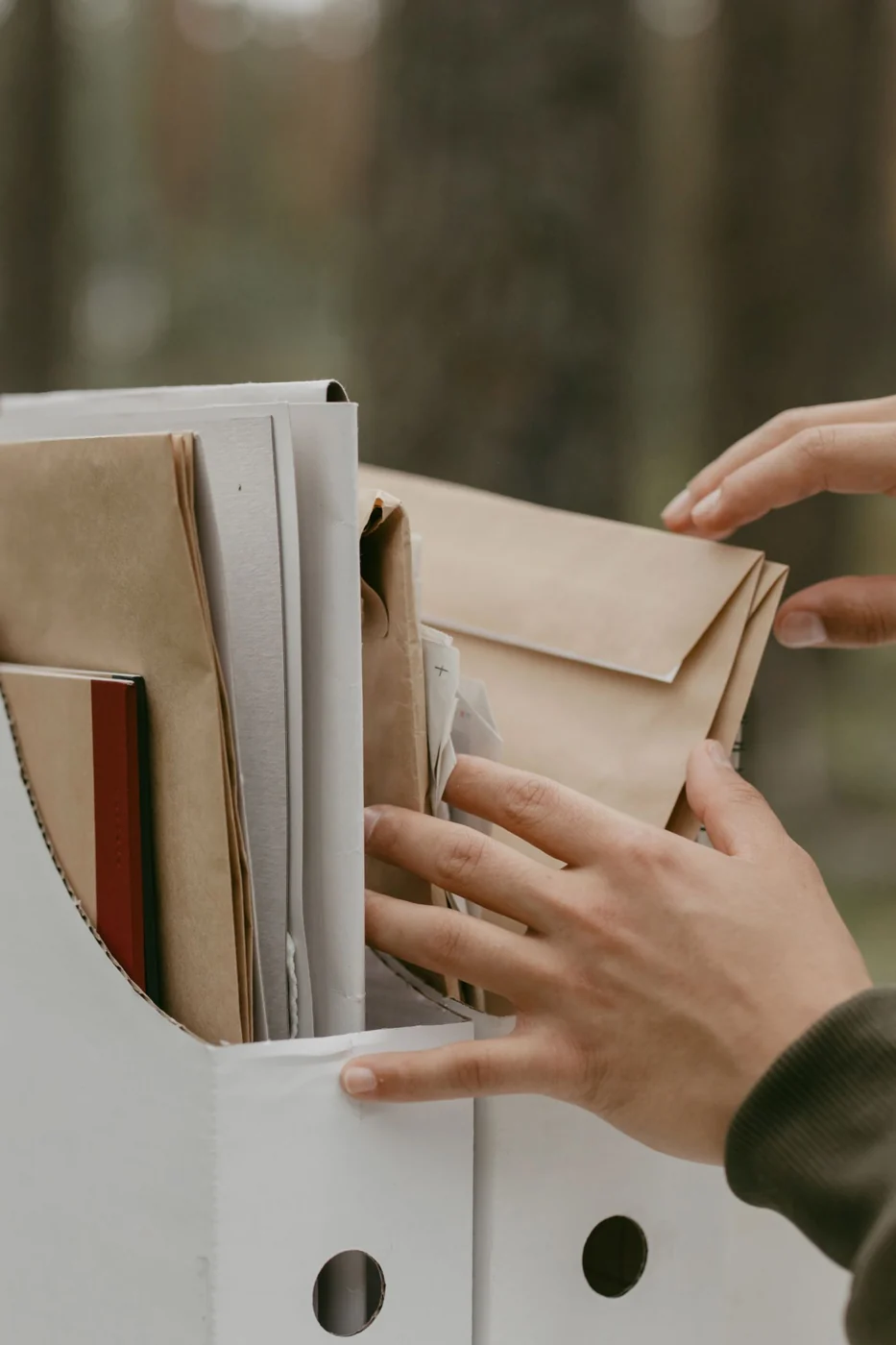
There is a difference between a bill waiting to be checked and a document being kept for future reference. When both live in the same stack, every search involves reviewing unfinished business as well as old records. A small home rarely needs a filing room, but it does need a clear distinction between action and storage.
Begin with a single place for current tasks. A folder or slim document holder can contain papers that require a response, with the most urgent items visible. Keep dates in the calendar you actually use rather than expecting the physical order of a stack to serve as a reminder.
Records need a separate home, arranged in categories broad enough to remain understandable. Housing, household services, and vehicle records may be useful starting points, but adapt them to your life. A folder labeled important will eventually contain everything that was difficult to classify.
Decide what should be retained
Retention requirements vary by document and circumstance. Do not rely on a decorating article to decide when tax, legal, insurance, or identity records can be destroyed. Follow the relevant official guidance and obtain professional advice where necessary. Set aside uncertain documents until you have checked rather than discarding them during an enthusiastic clear-out.
Digital copies can reduce the amount of reference paper, but a scan is not always a legal substitute for an original. If you digitize suitable records, make sure files are readable, sensibly named, and backed up. A photograph in a crowded camera roll is not a dependable filing system.
Sensitive documents should be protected from casual viewing and unauthorized access. Choose storage suitable for their importance, and handle disposal securely. A pretty open basket beside the guest chair may be fine for blank stationery but unsuitable for financial or identity information.
Give each physical folder enough room to open and accept another sheet. Overfilled files encourage new papers to remain on the desk because putting them away is too much effort. If a category grows quickly, divide it by a distinction you will remember, such as year or account, rather than by an arbitrary color code.
Fit the system to a short routine
A brief regular session can move completed tasks into records and remove papers that no longer need to stay in the action folder. Keep a pen, relevant calendar, and any required device nearby so that sorting does not become a series of trips around the house.
When you cannot decide where a document belongs, write down the question instead of creating another unnamed pile. A temporary folder for specific unresolved items can work if it is reviewed, but it should not quietly become permanent storage for everything awkward.
The aim is to find a needed record and know what still requires action. Matching folders are optional. Clear categories, protected information, and a manageable amount of paper will do more for a small home than a large cabinet full of beautifully labeled uncertainty.