Make a memory box that is possible to revisit
A keepsake box can preserve a few meaningful things while staying small enough to open and enjoy.
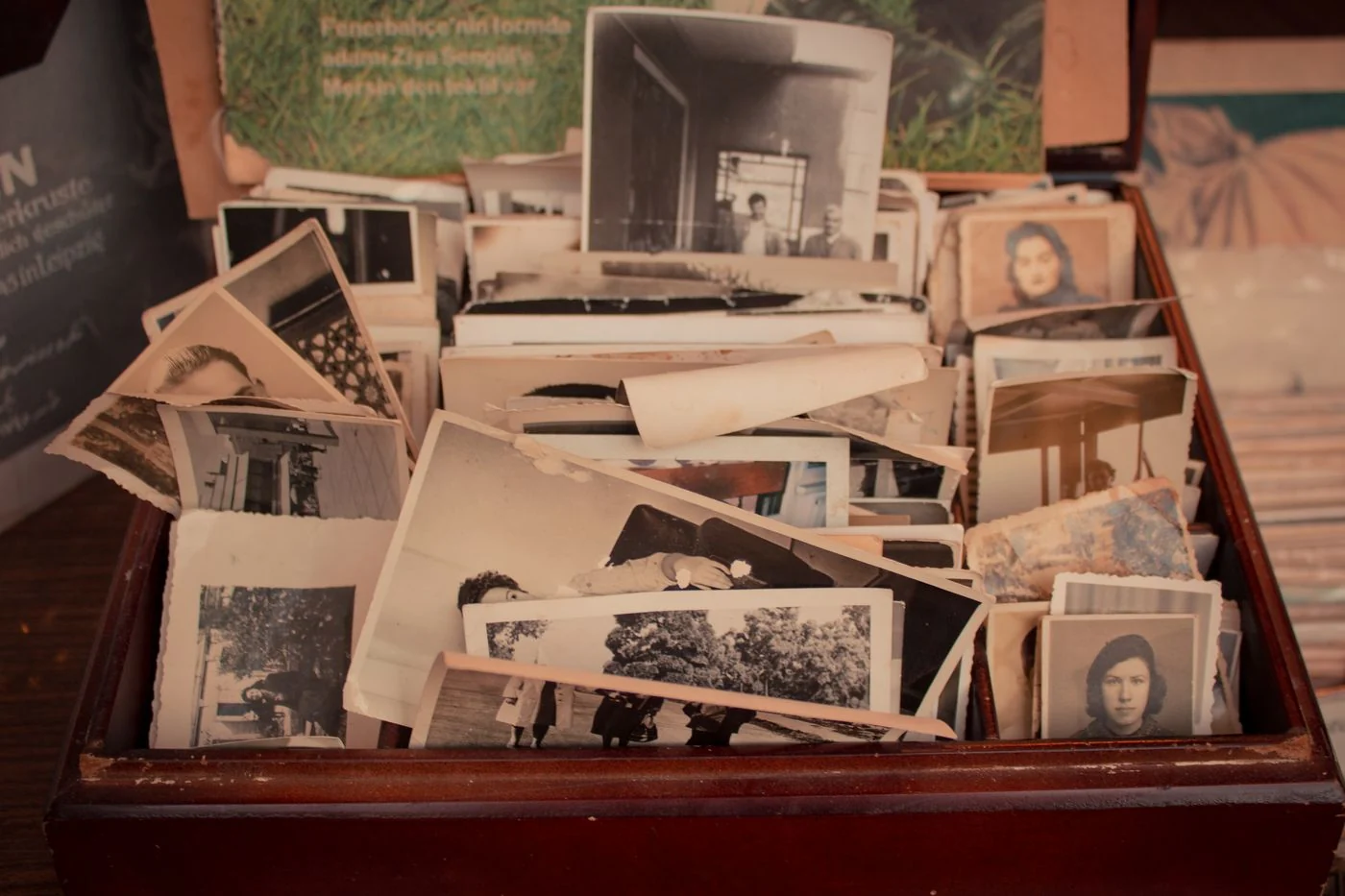
Some objects are difficult to store because their size has little relationship to their significance. A folded note may matter more than a large decorative gift, while an ordinary ticket can recall an entire day. Organizing keepsakes begins with that difference, not with a demand to become less sentimental.
Choose a container that can be handled comfortably and stored in suitable conditions. A very large box may seem generous, but it can become too heavy or crowded to revisit. Several modest, clearly identified boxes may be easier to use than one deep container, provided the collection does not expand without any limit.
Bring together a small group first. It might be one person's school papers, letters from a particular period, or objects from a family event. Ask what each item helps you remember. Several near-identical pieces may tell the same story, while a single annotated photograph carries more context than a thick stack with no names or dates.
Keep the context with the object
A brief note can make a keepsake meaningful to someone else later. Write names, approximate dates, or the reason an ordinary object was kept on a separate suitable label or sheet, rather than applying damaging tape or ink directly to a fragile original. For historically significant or valuable items, seek appropriate archival guidance before choosing materials or treatments.
Store paper and photographs away from damaging heat, dampness, and strong light. Do not assume a decorative wooden box, plastic sleeve, or scented tissue is safe for long-term preservation. Materials suitable for everyday storage are not always suitable for delicate records. If preserving an item matters, investigate the right enclosure for that material.
Photographing a bulky object can preserve its appearance, but it is not the same as keeping the object itself. Use that option when it feels right to you, not as a compulsory step. Back up the resulting files and identify them clearly so that the digital version remains findable.
Leave enough room to lift out the contents without tearing or bending them. A keepsake box that cannot be opened without spilling everything is effectively closed storage, even if it sits on a reachable shelf.
The physical limit is an invitation to choose, not a verdict on how much something mattered. You can keep a few representative pieces from a period and still value the whole experience. When a new item arrives, consider it alongside what is already there rather than automatically buying another box. The collection should remain something you can revisit, not a growing duty that is always postponed.