Holiday Decorating When Floor Space Is Tight
Choose a focal place that does not borrow the room’s essential circulation or working surfaces.
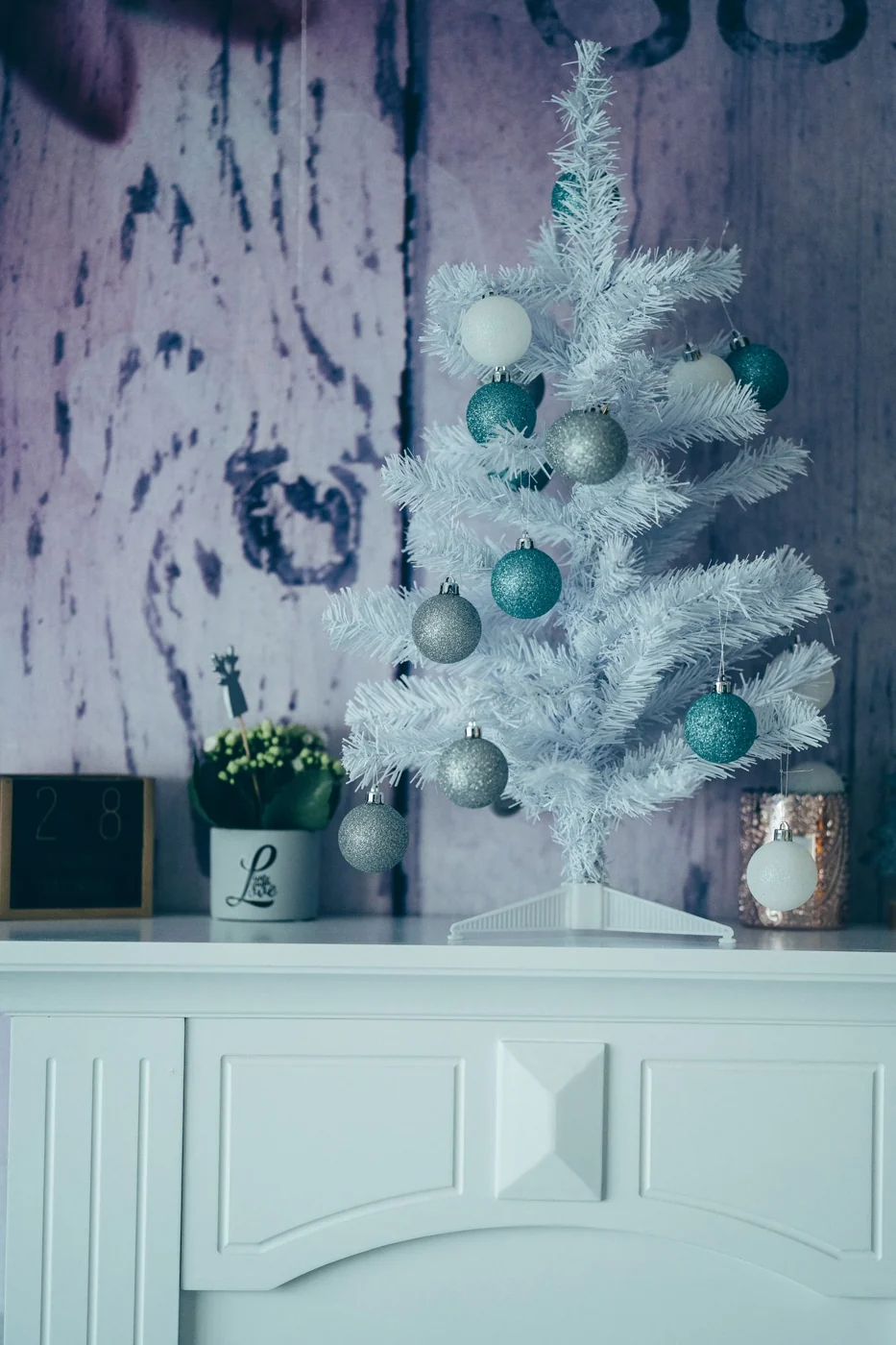
Holiday decorating in a small room is less about finding miniature versions of everything and more about deciding which gesture will matter most. A small tree, a wreath, and a shelf display may each be manageable alone, yet together they can occupy the places where the room normally works.
Start by identifying what cannot move. The route to the door, the space needed to open a cabinet, the place where someone sits, and the surface used every day should stay useful. Holiday objects can fit around those needs rather than temporarily cancel them.
Choose one principal location
A tree may be the priority. If so, let it take the main decorative role and keep other surfaces simpler. If there is no suitable place for a tree, a clear arrangement on one existing shelf or a properly mounted wall accent can provide a focal point without occupying the floor.
Measure the full footprint, including branches, base, and any projecting decorations. A narrow base does not mean a narrow overall object. Consider how people will move past it and whether nearby furniture remains accessible.
Do not use a doorway or an exit route as spare decorating space. Follow the placement and clearance guidance for the products involved, and keep decorations away from heat sources. In a small room, the temptation to use every available corner can make those checks particularly important.
Replace a layer instead of adding another
If a shelf already holds a decorative group, put that group away before placing the holiday objects there. If the sofa has several ornamental cushions, change one cover rather than adding more. A seasonal room can feel full of occasion without containing more items overall.
Use a container or a defined area to limit the arrangement. A modest display that fits on one tray is easier to move when the surface is needed. The tray must still suit the objects and the actual use; it is not permission to balance a heavy arrangement on an unstable table.
Choose decorations that can be appreciated at the room's normal viewing distance. Many tiny objects may disappear into visual clutter, while one clear shape can have more presence. Smaller is not always visually lighter.
Be selective about vertical space
Walls and shelves can be useful, but they are not unlimited storage for decorations. Check the suitability of fixings and the weight of the objects. Avoid attaching items to equipment, door hardware, or surfaces not intended to support them.
A decoration placed high can also feel disconnected if there is no visual relationship to the furniture below. Consider the whole wall rather than filling every empty patch. Sometimes leaving the upper wall clear makes a small tree or tabletop arrangement feel more generous.
Keep a place for displaced objects
The ordinary decor that comes off a shelf needs a temporary home. Plan that before you begin so it does not end up stacked in another corner of the same room. Otherwise the holiday edit simply moves the clutter out of the photograph.
After arranging the space, carry out a few normal tasks. Open the cupboard, sit down with a drink, move through the room with a bag. If a decoration has to be shifted repeatedly, reduce or relocate it. The room should feel festive while still allowing the household to function with its usual ease.