Measure the things before buying the containers
Measure the objects, the opening, and the retrieval space before choosing an organizer.
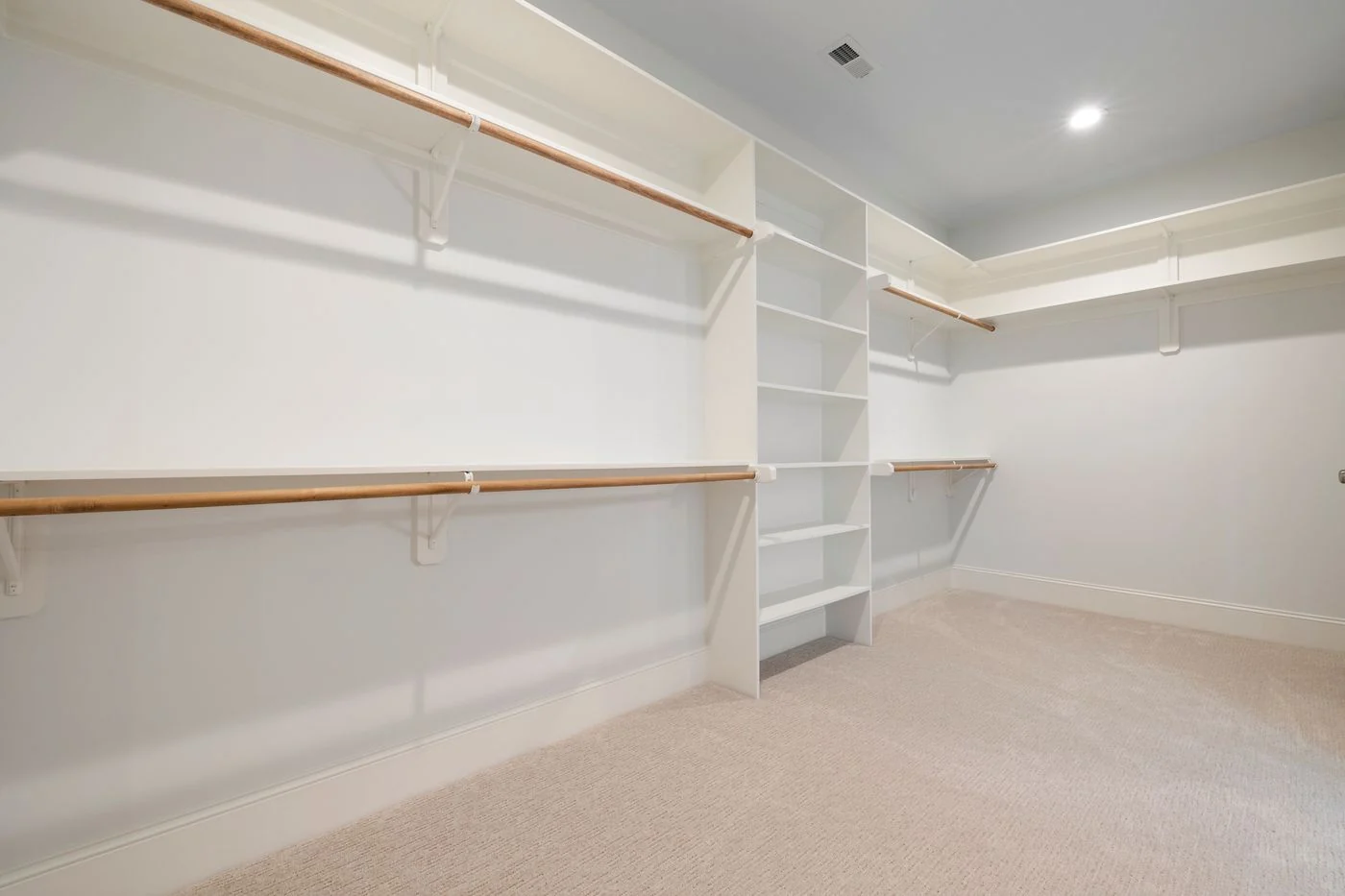
The inside width of a cupboard is only one of the measurements that determines whether a container will work. The opening may be narrower, a hinge may interrupt the side, and the handle may need extra clearance. A basket that fits perfectly on a bare shelf can become useless once it is filled and the door is closed.
Gather the things you intend to store before measuring. Their combined volume matters more than the size of the container you happen to like. Include the awkward pieces: a tall spray bottle, the largest serving utensil, or a folder with a tab that extends above its edge. Do not design the arrangement around only the neatest objects.
Measure the usable opening as well as the interior. Note shelf depth, shelf-to-shelf height, door fittings, and any obstruction at the back. If the container must be pulled out, leave room for your hand and its handle. If it will stay in place, check that you can see and reach the contents without lifting it.
Make a trial footprint
A piece of paper or cardboard cut to the proposed base dimensions can help you understand the footprint. A temporary cardboard box may also reveal whether the planned size is easy to handle, provided it is used only as a measuring aid where its material is unsuitable for final storage. Check the filled weight, not just the empty container's weight.
External product dimensions do not always describe usable interior capacity. Thick woven sides, sloping walls, divided sections, and lids all consume space. Compare the internal dimensions when available, and account for how the objects must sit rather than assuming they can be compressed to fit.
Think about the return movement. Can you put away the item with one hand? Does every object have to be rearranged before the lid closes? Is the container too heavy to pull out safely from its intended shelf? These questions reveal problems a simple width measurement misses.
Choose the material for the location. A washable tray may suit a place where small drips occur, while paper records may need a dry, protected enclosure. Do not use an organizer to conceal dampness, faulty shelving, or a storage location that conflicts with a product's instructions.
Buying one trial container is often more informative than ordering a complete matching set. Use it through a few ordinary cycles, including putting everything away. Once the size and shape work, decide whether other sections genuinely need the same solution. A good fit is a relationship between objects, furniture, and use; matching labels come much later.