A Coastal Summer Mood Without the Beach Signs
Borrow the openness and muted colors of a coastal mood without turning the room into a collection of beach symbols.
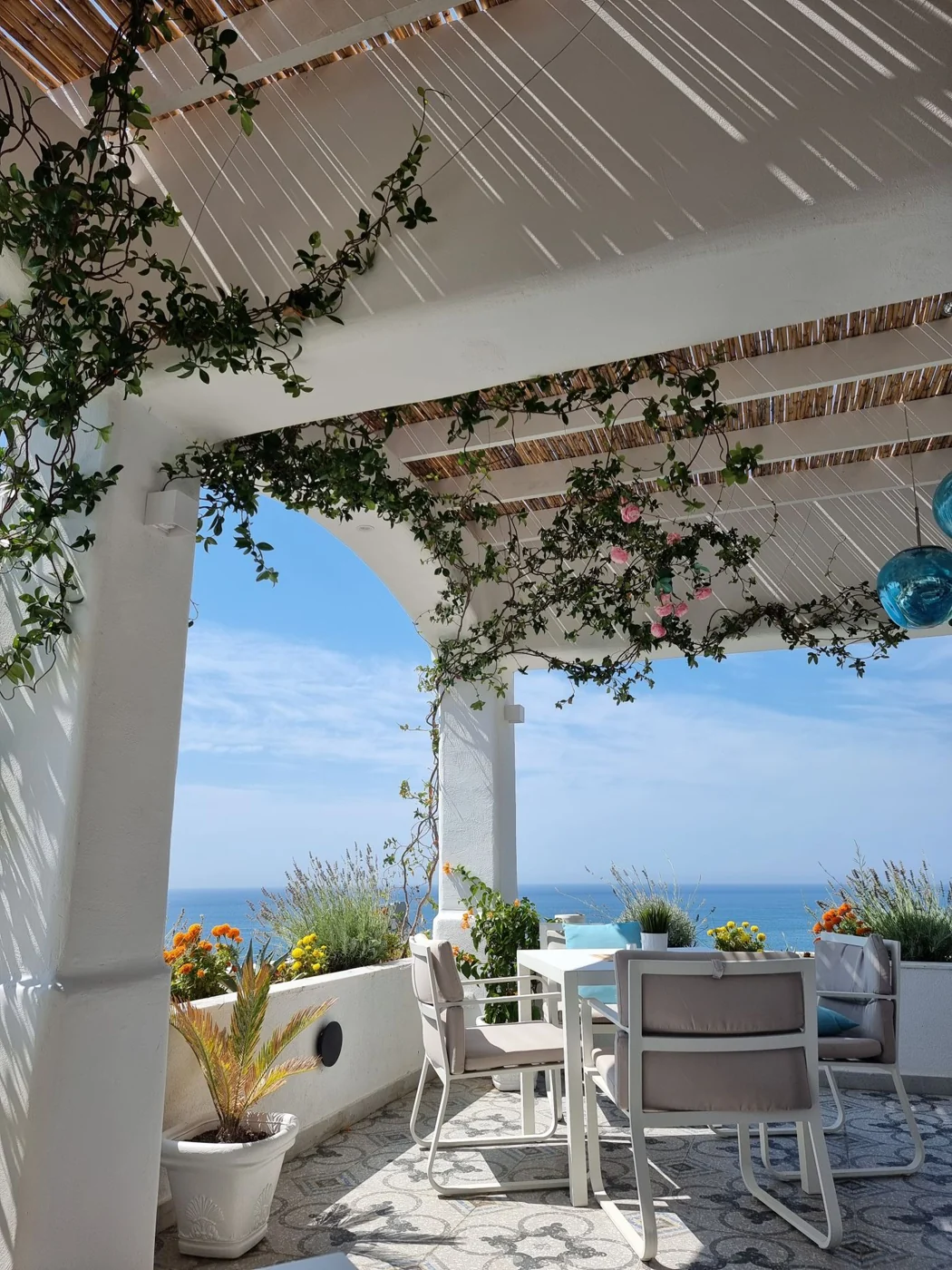
A coastal summer mood can come from color, space, and surface rather than anchors, shells, or signs. Think about what you actually enjoy in a seaside setting: pale backgrounds, a limited range of softened colors, or the contrast between smooth and rough materials. Those qualities can be translated into an ordinary room without recreating a scene.
Start with the lightest existing element. A pale wall, cream sofa, or simple curtain gives you a foundation. Then choose one quieter color to bring forward, perhaps a gray-blue, a muted green, or a warm sand tone. There is no requirement to use every color associated with the coast.
Let texture carry part of the reference
A woven object beside smooth glass can suggest the contrast you want without a literal motif. Keep the objects useful or clearly chosen for their shapes. A collection of decorative rope, driftwood-style pieces, and shell-patterned accessories can make the room feel more themed even when each item is neutral.
Open space is part of the effect. A low arrangement with room around it feels different from several tall objects packed onto the same surface. Clear a little area before deciding that another coastal-looking piece is needed.
If you already own a sea-related object you love, use it on its own terms. A small painting of water or a single collected-looking vessel can be enough. You do not need to build a supporting cast of similar objects around it.
Avoid suggesting that decorative material was found on a beach if that is not known. Purchased objects can be enjoyed honestly as purchased objects. If you do collect natural material, follow the rules of the location rather than assuming it is free to take.
Keep the room's permanent identity
A country-style cabinet or a familiar dark chair does not have to disappear for summer. The lighter surrounding arrangement can give it a new context. Removing every existing character piece often makes a seasonal room feel less personal.
Try one small change at a time and look from the seat you normally use. A color that seems subtle from the doorway may be strong when it sits directly beside you. The most comfortable result is one you enjoy at everyday distance, not just as a wide photograph.
You can create a sense of openness without advertising a destination. The room should still feel like your home, with a lighter relationship between the objects already there.