A Summer Shelf with One Clear Color Story
Choose one color relationship for a summer shelf, then allow shape and empty space to keep it from looking like a matching display.
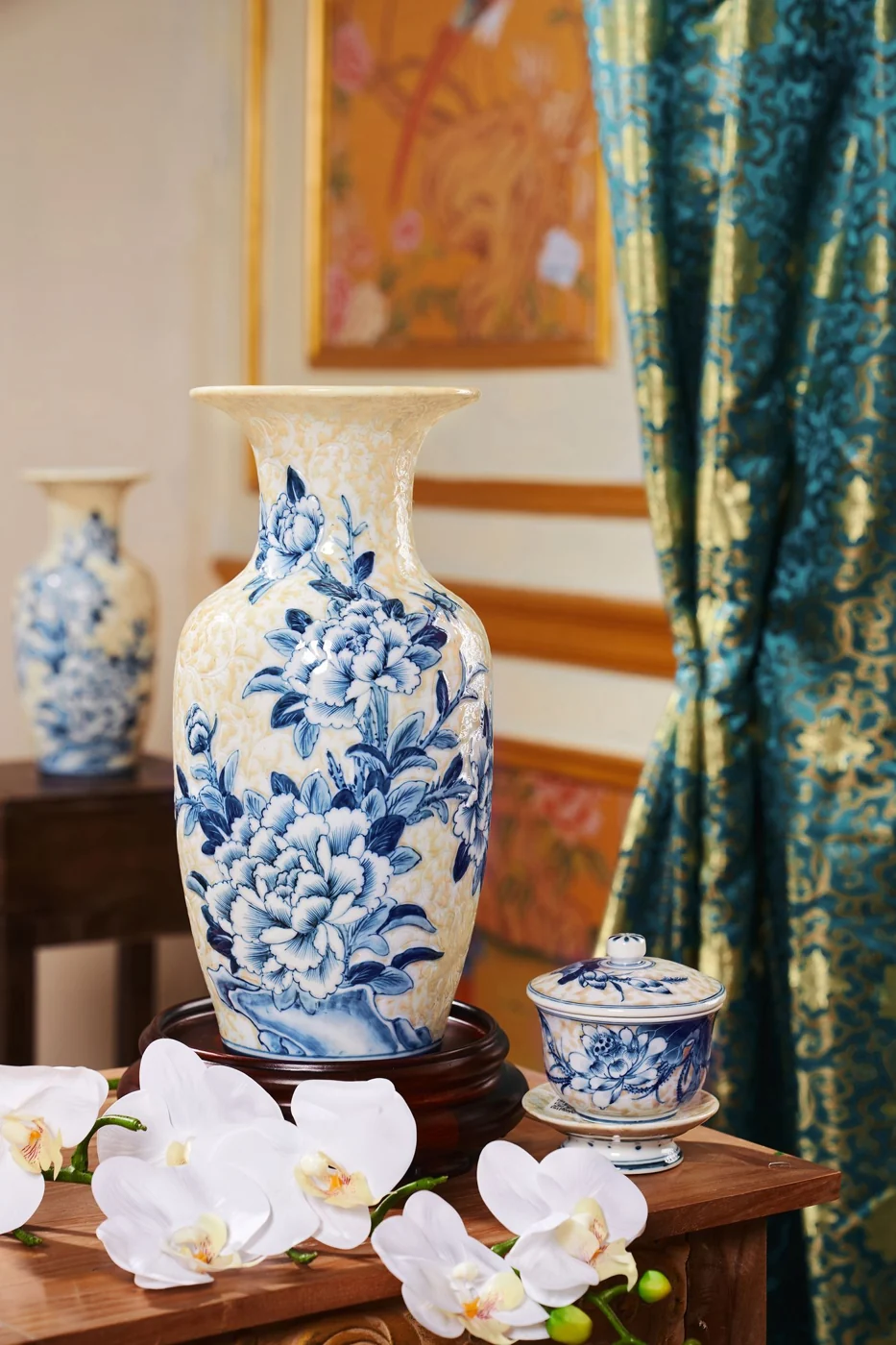
A seasonal shelf can become busy surprisingly quickly. Small objects seem harmless one at a time, but together they can make the shelf harder to read than the room around it. Choosing one clear color relationship gives the arrangement a limit before you begin.
The relationship might be pale blue with cream, warm white with natural wood, or muted green beside clear glass. It does not need a name or a precise number of shades. The useful part is deciding what belongs to this small arrangement and what can stay elsewhere.
Take everything off the selected shelf before rearranging it. Leave the rest of the bookcase or cabinet alone if it is already working. A limited seasonal change is easier to assess than a complete reorganization.
Vary the shapes within the colors
Two objects in similar colors can still provide contrast if one is rounded and the other has a clear rectangular outline. A book beside a simple vessel may be more interesting than several nearly identical small ornaments. The color connects them; the shapes keep them distinct.
Use the shelf's height honestly. A tall object that almost touches the shelf above can look squeezed, even when its color is perfect. A lower grouping may create the lighter impression you wanted for summer.
Leave a gap that is large enough to look intentional. A tiny sliver between every object still reads as a full shelf. One broader area of space allows the eye to pause and makes the neighboring shapes easier to notice.
If books are part of the arrangement, keep them accessible and choose a position that suits their actual use. There is no need to reverse them or wrap them merely to satisfy a color scheme. Their titles and varied spines can contribute an ordinary, useful layer.
The seasonal quality can remain subtle. A paler object moved from another room or a smaller arrangement in an existing vessel may be enough. Avoid buying filler pieces just because the shelf has an empty corner.
Step back to the usual viewing distance before adjusting the last details. Up close, every small gap seems important; from across the room, the larger shapes and colors do most of the work. Stop when the shelf has a clear relationship and still leaves some room for the rest of the interior.