Notice the Small Hardware Before Adding Decor
Handles, hinges, and latches may already give a room a distinctive rhythm. Notice them before adding more decorative objects.
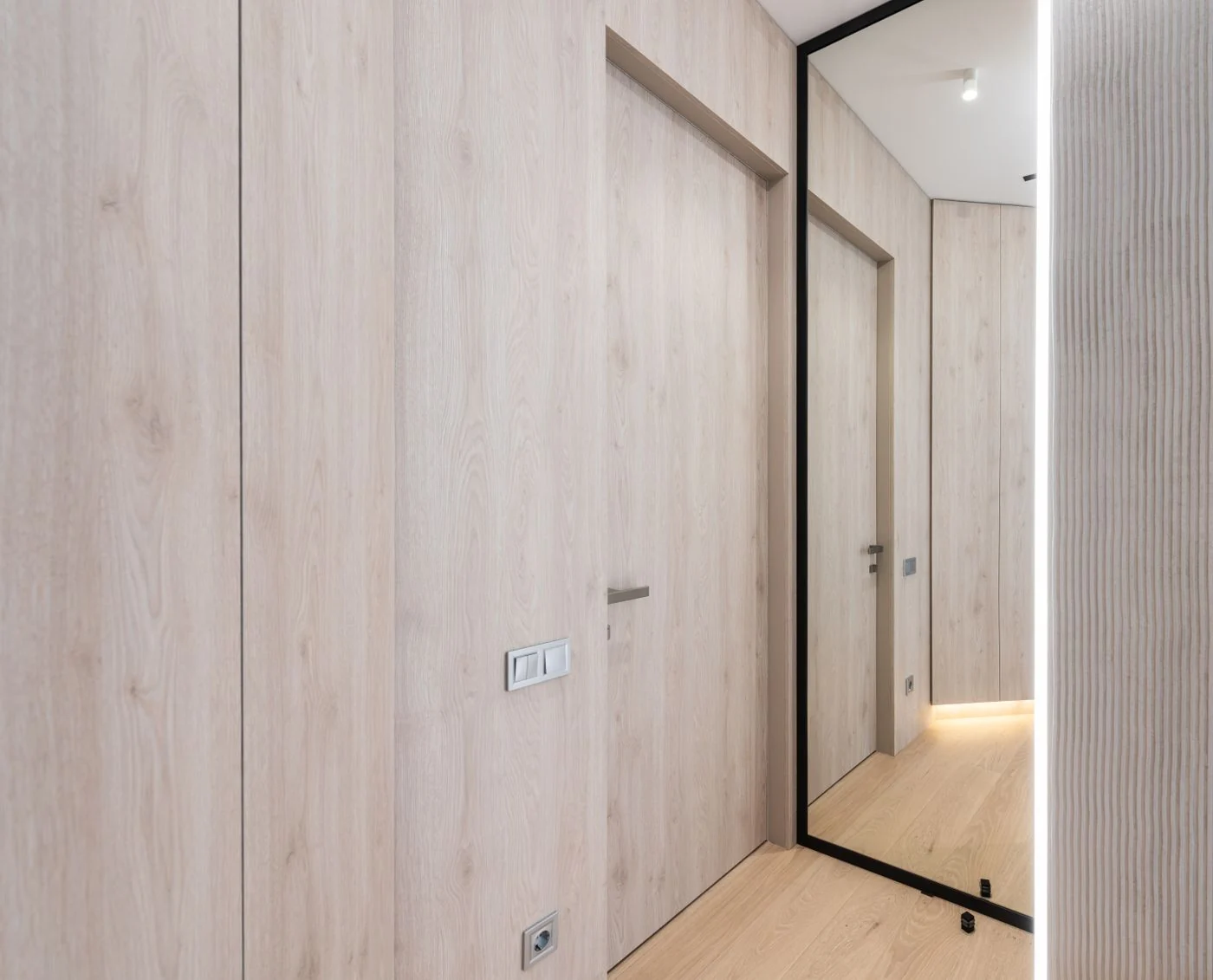
Small hardware is easy to overlook when planning a room because each piece occupies so little space. Across several doors and cabinets, though, handles and hinges create a repeated pattern. Their shape, color, and contrast can quietly influence whether the room feels crisp, heavy, simple, or decorative.
Start with what is already present. Open and close the doors you use most often. Look at the hardware from the normal approach rather than in a close-up photograph. A dark handle on a pale door may be a strong accent even if its design is plain.
Separate appearance from replacement
Noticing hardware does not mean it needs to be changed. Replacement involves fit, function, door type, and sometimes security or other requirements. Those are questions for appropriate product guidance or a qualified installer, not something to decide from a style image.
For decorating around existing hardware, the useful question is how much visual emphasis it already provides. If a series of dark handles punctuates a light room, you may not need additional dark ornaments to create contrast. If decorative handles are prominent, nearby accessories can have simpler outlines.
Exact matching is not always necessary. A cabinet pull and a door handle serve different objects and may have different shapes. A shared level of visual weight can connect them even when their finishes are not identical. Conversely, a perfect color match does not help if one piece looks very elaborate and everything around it is deliberately plain.
Country character can come from a modest, useful detail rather than an imitation of age. A simple visible latch or rounded knob may suit the room without being described as antique. Do not assume that a dark or uneven finish establishes historical authenticity.
Try viewing a wall or cabinet after removing a few nearby decorative items. The hardware may become a pleasing part of the composition once it is no longer competing with small objects. That is especially helpful in compact rooms where every added detail is close to another one.
If you later choose to replace hardware, bring measurements and clear photographs of the actual fitting to the decision. Style is only one part of whether a new piece belongs. The most satisfying result is a detail that looks appropriate and works comfortably every time it is used.