Interior Shutters as Part of the Room
Existing interior shutters have their own pattern of lines. Treat them as part of the architecture before adding layers around the window.
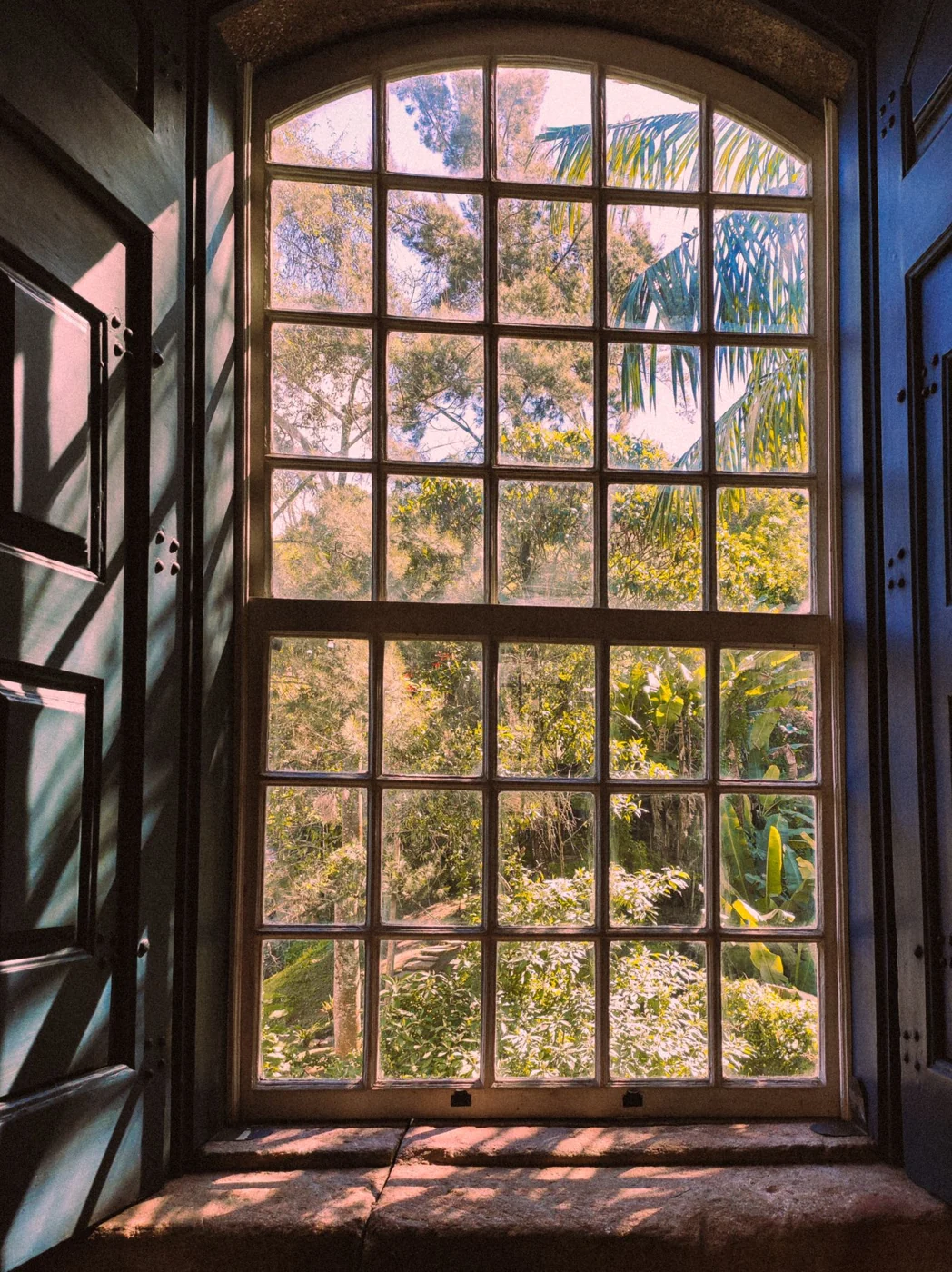
Interior shutters can make a window feel finished even when there is very little else around it. Their panels, louvers, or simple frames already supply structure. Before adding curtains or nearby wall decorations, look at how much visual work the shutters are doing on their own.
Open them as you normally would during the day. Then close them. The wall changes considerably between those two arrangements. A picture that looks well placed beside closed shutters may be obscured when the panels fold back. Furniture can create the same problem if it prevents their normal movement.
Plan for the working window
Use the window as a window first. Check access to the latch, handles, and any required opening. Keep furniture and decorations clear of the shutters' travel. A room should not depend on leaving them in a photogenic position that makes them inconvenient to operate.
Color determines whether the shutters read as part of the wall or as a strong frame. When they are close to the trim color, the window can feel more continuous and quiet. A contrasting finish emphasizes each panel and line. There is no need to add further contrast if the shutters already stand out strongly.
For a country-inspired setting, their real function is more convincing than a cluster of decorative shutter-shaped objects elsewhere in the room. You can allow the window to provide character, then keep the surrounding furniture straightforward. A plain upholstered chair nearby may be more useful than another rustic-looking accessory.
Decide whether fabric adds anything
Curtains can soften a window with shutters, but they are not automatically necessary. If you want fabric, first identify its purpose: extra privacy, light control, softness, or simply color. Then check that the proposed treatment can work alongside the existing panels without obstructing them.
A bulky layer may make a small window feel crowded. A simpler fabric treatment may provide enough softness while leaving the shutter outline visible. Measurements and the actual opening direction matter more than a picture of a similar window online.
Avoid filling the sill merely because it is available. A single object might look good while the shutters are closed but become an obstacle when you reach for them. Leave frequently used areas clear and place decorative pieces where they do not need to be moved every morning.
The most successful arrangement often asks less of the window. Let its real hardware, panel lines, and changing daylight be visible. The country character is already there in a useful form.