A Pitcher Can Be Enough
An empty pitcher can hold a place in a room through its handle, spout, and proportions. It does not always need flowers.
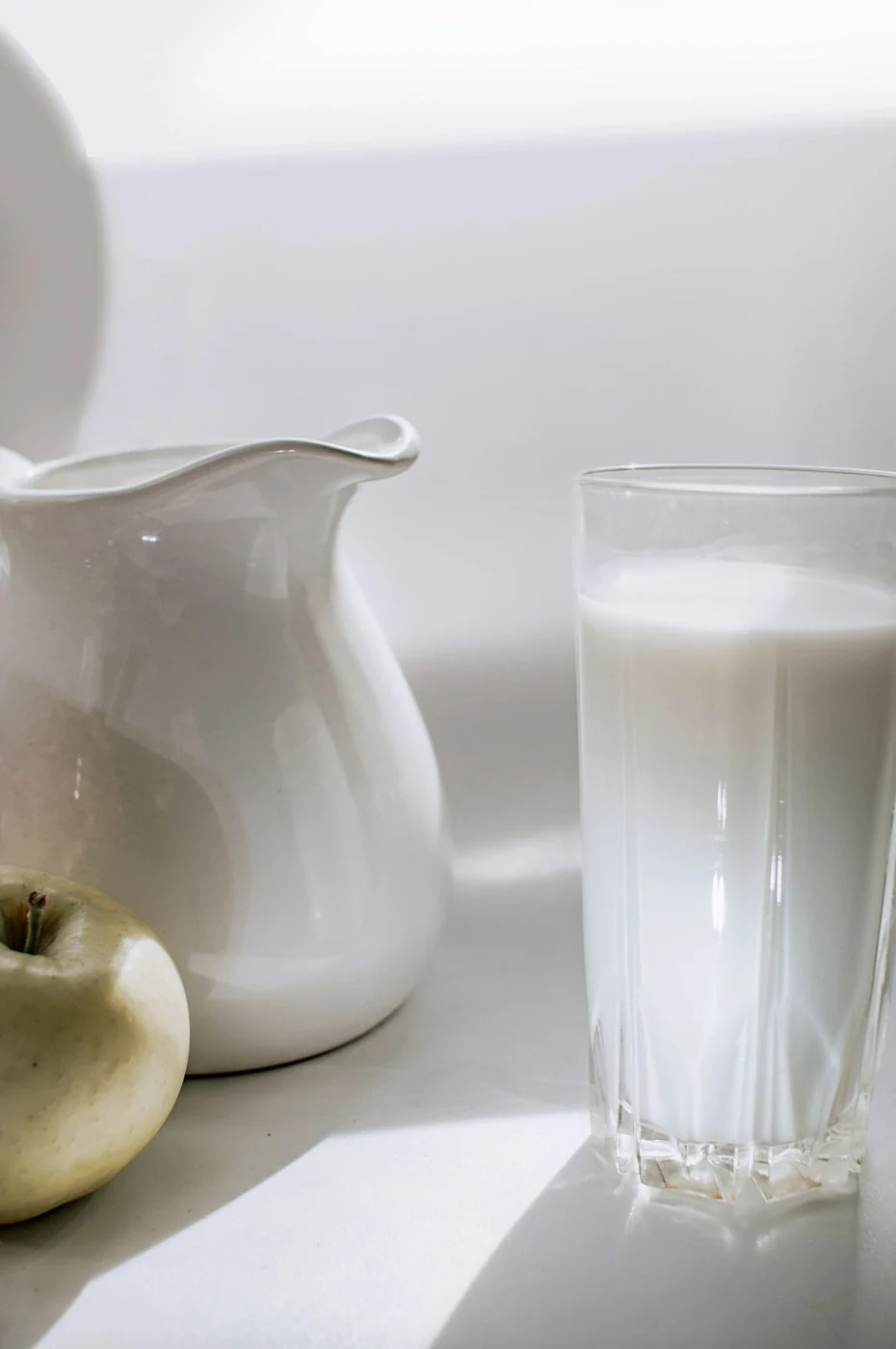
A pitcher has an unusually complete silhouette. The handle projects to one side, the spout gives the top a direction, and the body can be round, narrow, tall, or squat. Those features make it useful as a decorative object even when it is empty.
Try turning the pitcher before adding anything to it. Seen straight on, the handle may disappear. Turned slightly, it can give the object a more open outline. A small change in angle often does more than filling it with an oversized bouquet.
The scale of the surface matters. A small pitcher placed alone on a broad cabinet can look accidental. That does not necessarily mean it needs companions. It might belong on a narrower shelf, beside a stack of regularly used books, or on a table where its size makes sense.
Give the opening some thought
A wide opening encourages a loose arrangement, while a narrow neck holds a smaller group more closely. If you want to use flowers, choose their quantity and height in relation to the vessel rather than trying to make every pitcher accommodate the same bunch.
Not every decorative pitcher is intended to hold water or serve food. Check its stated use and condition. A separate suitable inner container may be an option for a decorative arrangement, but do not assume an old or unmarked vessel is watertight or food safe.
An empty pitcher can be particularly effective beside objects with straight edges. Its handle and spout interrupt a row of books or the rectangle of a cabinet without requiring a patterned surface. If the room already has many small curved ornaments, a simpler position may be better.
The finish should support the shape you like. A strongly patterned pitcher draws attention to its decoration; a plain one lets the outline lead. There is no need to describe a new piece as old or handmade simply because its glaze appears uneven.
Try it without a tray, without a doily, and without a second vessel first. Those layers may be useful, but they can also turn a clear shape into a cluster of accessories. Add only what the surface or arrangement actually needs.
A pitcher that gets used can return to its place afterward without becoming part of a precious display. That ordinary relationship between usefulness and appearance is often what makes the object feel comfortable in a country room.