The Appeal of a Soft Plaster-Look Wall
A softly varied wall can be beautiful, but a small product photograph cannot show how that variation will behave across your room.
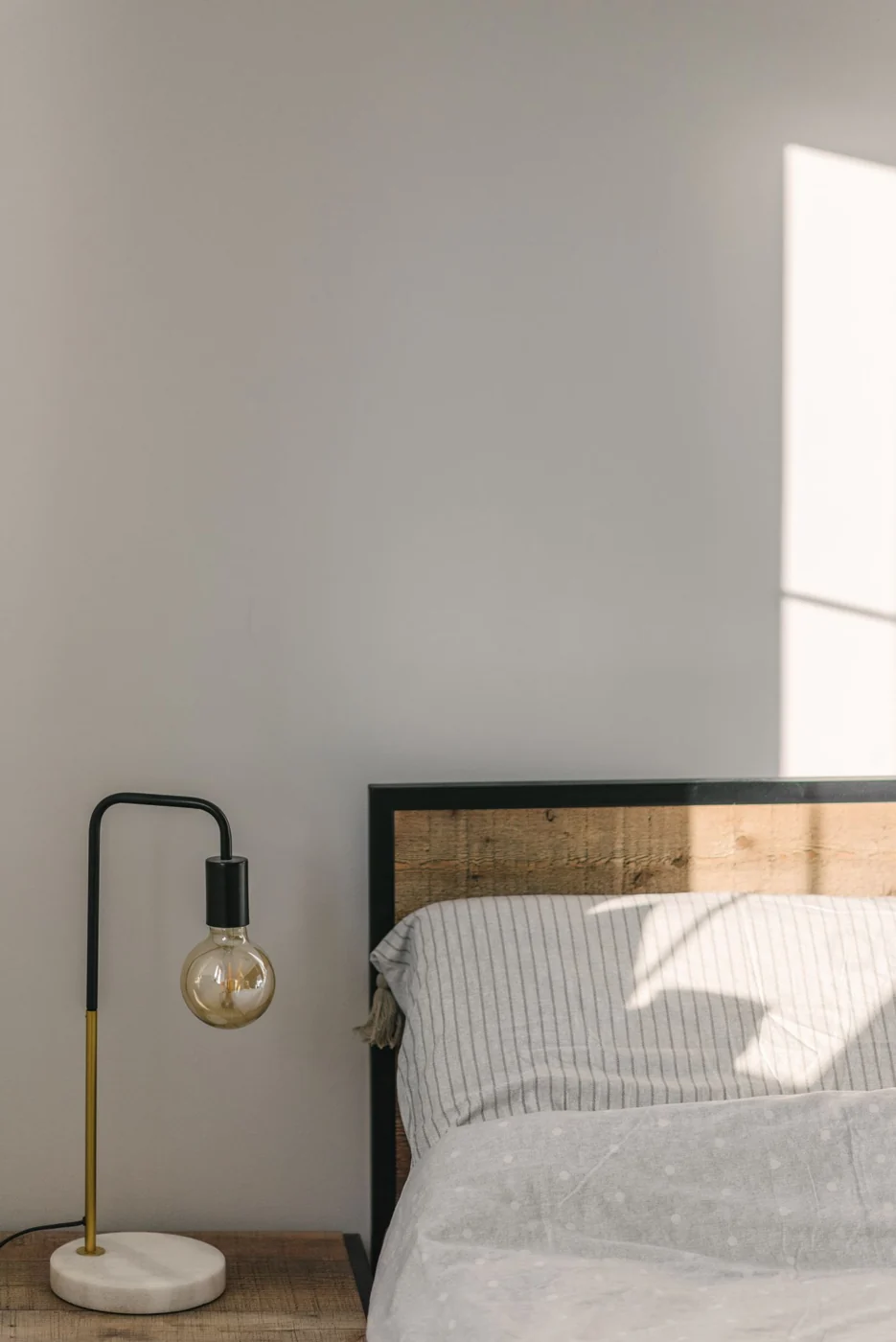
A plaster-look wall is appealing because it is not perfectly uniform. Light and shadow seem to move across the surface, and the color may shift softly rather than stop at a hard pattern edge. That variation can give a country-inspired room depth without adding another object.
The phrase covers many different products and finishes. It does not identify the wall's ingredients, method of application, durability, or suitability for a particular location. Treat the appearance as the starting point and obtain the actual product and installation information before making a practical decision.
Ask how much movement you want
Some samples have a very quiet cloudy effect. Others show pronounced strokes, ridges, or contrasting patches. The stronger versions can become the main feature of a room. If you are expecting a neutral background for pictures and furniture, that difference matters.
View a large sample in the intended room if possible. Move it between the wall that receives direct daylight and a more shaded wall. Look again after the lamps are on. Surface variation can become much more obvious under light coming from the side, so a finish that looks subtle in a flat product image may appear lively in your home.
Imagine two otherwise similar walls: one has a faint shift between warm cream tones, while the other shows broad pale and dark strokes. The first might sit behind a group of pictures without asking for much attention. The second may work better with one simple object nearby, because its own movement is already a composition. Calling both finishes soft or natural does not explain that difference. Ask to see enough of the finished surface to understand the size of the marks, not just their color.
Consider the existing architecture. Uneven-looking color next to deeply grained wood, patterned flooring, and ornate furniture creates several kinds of movement at once. A plainer furnishing arrangement may allow the wall to remain interesting without becoming exhausting.
Do not add patina everywhere
Once the wall provides softness and irregularity, other surfaces can be precise. A simple rectangular frame or a smooth cabinet front gives the eye a different texture. Buying deliberately distressed objects to match the wall can make the room feel overworked.
Think about the full extent of the finish, including corners and transitions. An isolated sample can be lovely while a whole room feels too enveloping. Conversely, a small feature area may look arbitrary if it has no clear architectural boundary. Test the idea on a room sketch before committing to coverage.
Photographs of completed rooms can be helpful if you examine the light source. Look for windows or lamps positioned beside the wall and compare the illuminated area with the shadowed one. A close-up under flattering light may emphasize a quality that will hardly appear in your room, or conceal one that will become prominent. Use those photographs to form questions for the supplier, rather than treating them as a prediction of the finished result.
Maintenance and repairs deserve separate questions. Ask the supplier how marks are addressed, whether future touch-ups may remain visible, and which spaces the product is intended for. Avoid assuming that all soft-looking finishes behave like ordinary painted walls.
If you mainly want the quiet color variation, you may discover that a textile or artwork provides enough of it without changing the walls. That is not a lesser version of the idea. It is simply a smaller commitment to the visual quality you liked in the first place.