Where a Narrow Ticking-Style Stripe Works Best
A narrow stripe can read almost like a solid fabric from across the room, then reveal its detail as you move closer.
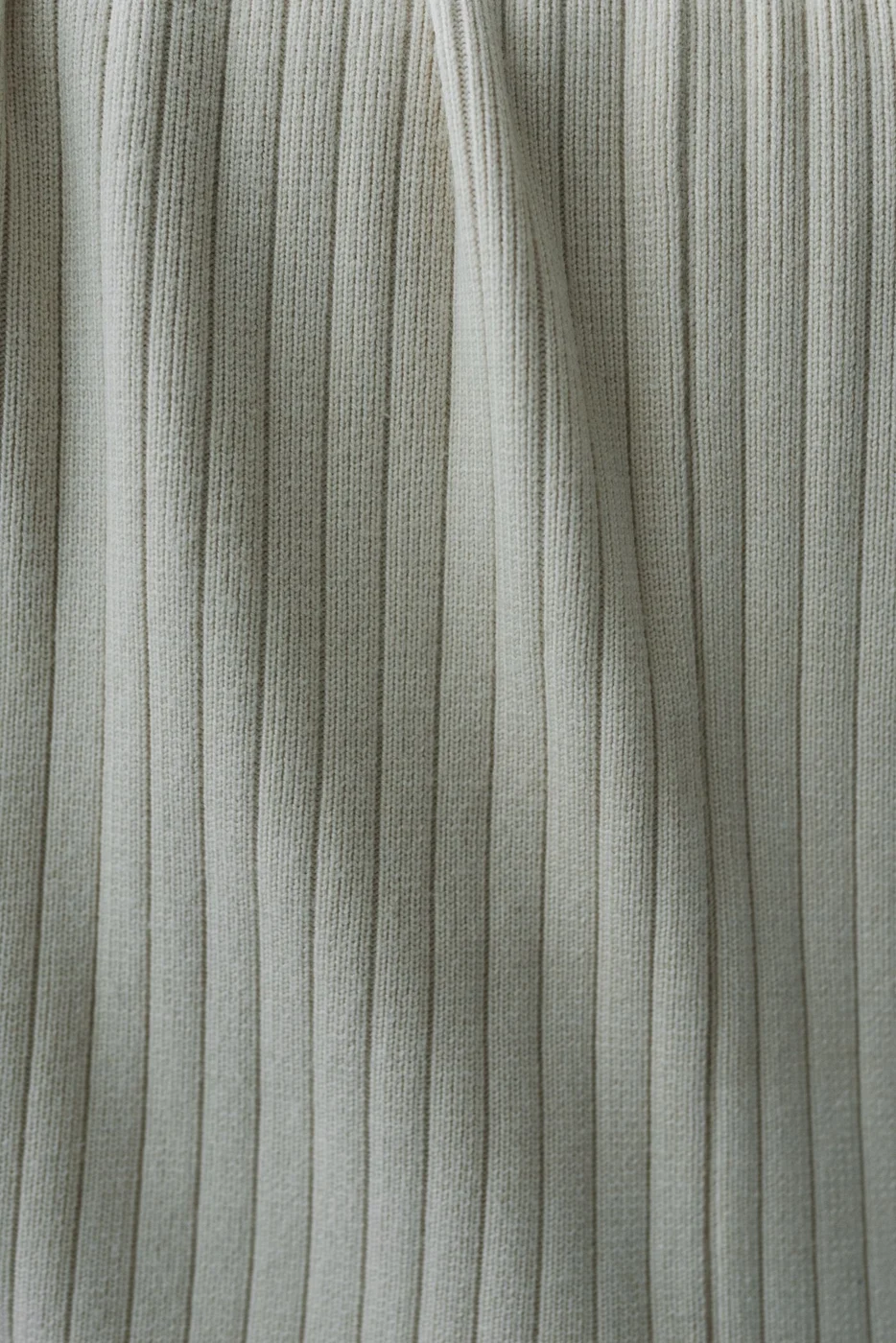
A narrow ticking-style stripe is useful when a room needs a little pattern but not a new focal point. From a distance, closely spaced lines may blend into a softened tone. Nearby, the same fabric reveals a definite rhythm. That change with distance is what makes it different from a bold wide stripe.
The term describes a familiar striped appearance here, not a guarantee about a fabric's original use, fiber, or age. Check the product description for those details. A newly printed stripe can be entirely suitable without being presented as an old textile.
Try a sample in the place where the finished item will sit. On a cushion, the stripe may look crisp and legible. Across a large curtain panel, it can become a much stronger repeated pattern. A fabric that seems quiet in your hand may look busy when multiplied over several yards.
Give the stripe a clear job
One useful role is to connect a detailed floral fabric to a plain background. Choose a narrow stripe with a color already present in the floral, then let the two patterns differ in scale. The stripe supplies order without competing with every petal and leaf.
It can also make a plain chair feel more considered. Keep the rest of the chair's styling simple so the line direction remains visible. If there are already slats, caning, or strong wood grain nearby, check whether the stripe adds a useful rhythm or simply another set of lines.
Direction deserves a trial rather than a rule. A vertical stripe may emphasize the height of a cushion back, while a horizontal stripe draws attention across a seat. On a small object, the difference may be modest. On a large surface, it can alter the whole impression.
Use a less contrasting stripe if you want the fabric to stay in the background. Cream with a softened brown or blue often reads more gently than a very dark line on bright white. The room's light will affect that judgment, so compare the sample morning and evening.
You do not need to repeat the same stripe on several objects. A single striped cushion, bench pad, or curtain can be the small disciplined detail that makes a softer room feel settled. Leave room for plain cloth around it, especially when the furniture has expressive shapes of its own.