A Soft Headboard with Country Character
The outline of an upholstered headboard can carry a country reference while the rest of the bed stays straightforward.
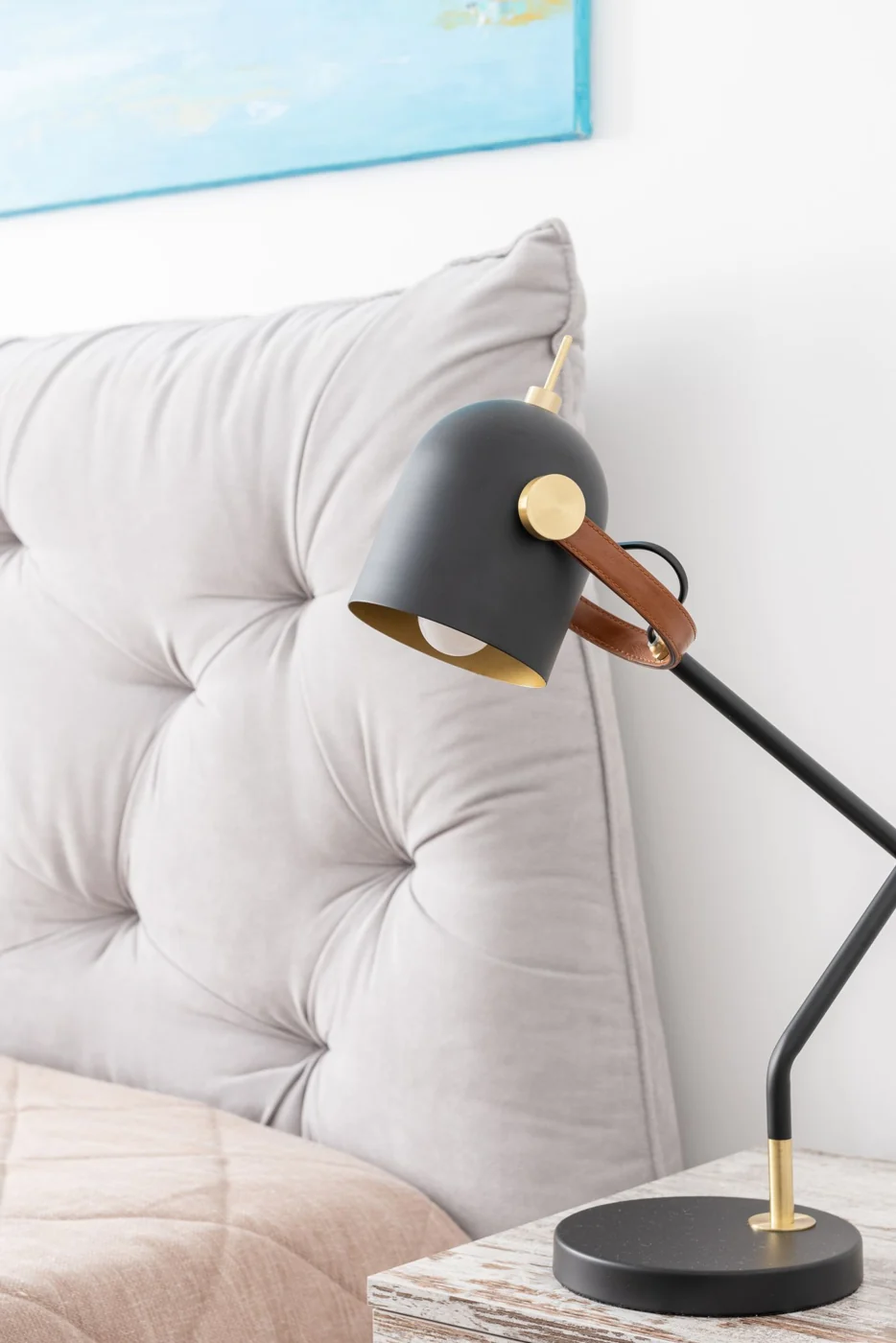
An upholstered headboard offers two separate choices: the shape of its outline and the character of its fabric. It is easy to concentrate on the fabric sample and overlook the outline, yet that upper edge may be the part you notice from the bedroom door every day.
A simple rectangle creates a different feeling from a shallow arch or a more pronounced curved profile. None needs elaborate trim to feel finished. In a country-inspired bedroom, one gentle curve can provide enough reference without adding carved furniture, ruffles, and patterned fabric everywhere else.
Consider how much of the headboard will remain visible
Pillows can hide a surprising amount of upholstery. Before choosing a detailed shape, compare its height with the bed and the bedding you actually use. A beautiful curve that disappears behind a large stack of pillows is not contributing much to the room.
The width deserves similar attention. The headboard should suit the bed and its intended installation, but visually it also relates to the nightstands and wall. A very broad design may dominate a small wall even if it technically fits. Check the manufacturer's compatibility and fixing requirements rather than treating the piece as purely decorative.
Fabric can make the shape stronger or quieter. A plain weave shows the contour clearly. A small pattern adds another layer without necessarily hiding the edge. A large busy print may become the main feature, especially on a relatively simple outline.
Plan the surrounding textiles as a group
If the headboard is patterned, the bedding can be calmer. That does not mean everything must be white. A solid color drawn loosely from the fabric, or a subtle texture, can provide enough relationship without copying the print on every pillow.
If the headboard is plain, you have more freedom to introduce a small pattern elsewhere. Keep the actual sleeping arrangement in mind. Decorative cushions should not turn every evening into a task of finding somewhere to put them.
Piping, buttons, and nailhead-style trim change the mood. A defined border can emphasize the shape; many additional details can make a modest headboard feel more formal than intended. Look at the full piece from a distance before deciding that another trim will improve it.
Choose upholstery appropriate to the intended use and follow its care instructions. A pale textured fabric may be appealing, but appearance does not establish how it will respond to everyday contact. Sample color, feel, and practical requirements together.
A headboard with a clear outline can become the one decorative gesture the bed needs. Let the rest of the arrangement make it comfortable to live with.