Use the Dining Room Between Gatherings
Let the dining room support ordinary days while keeping a clear, manageable route back to a meal.
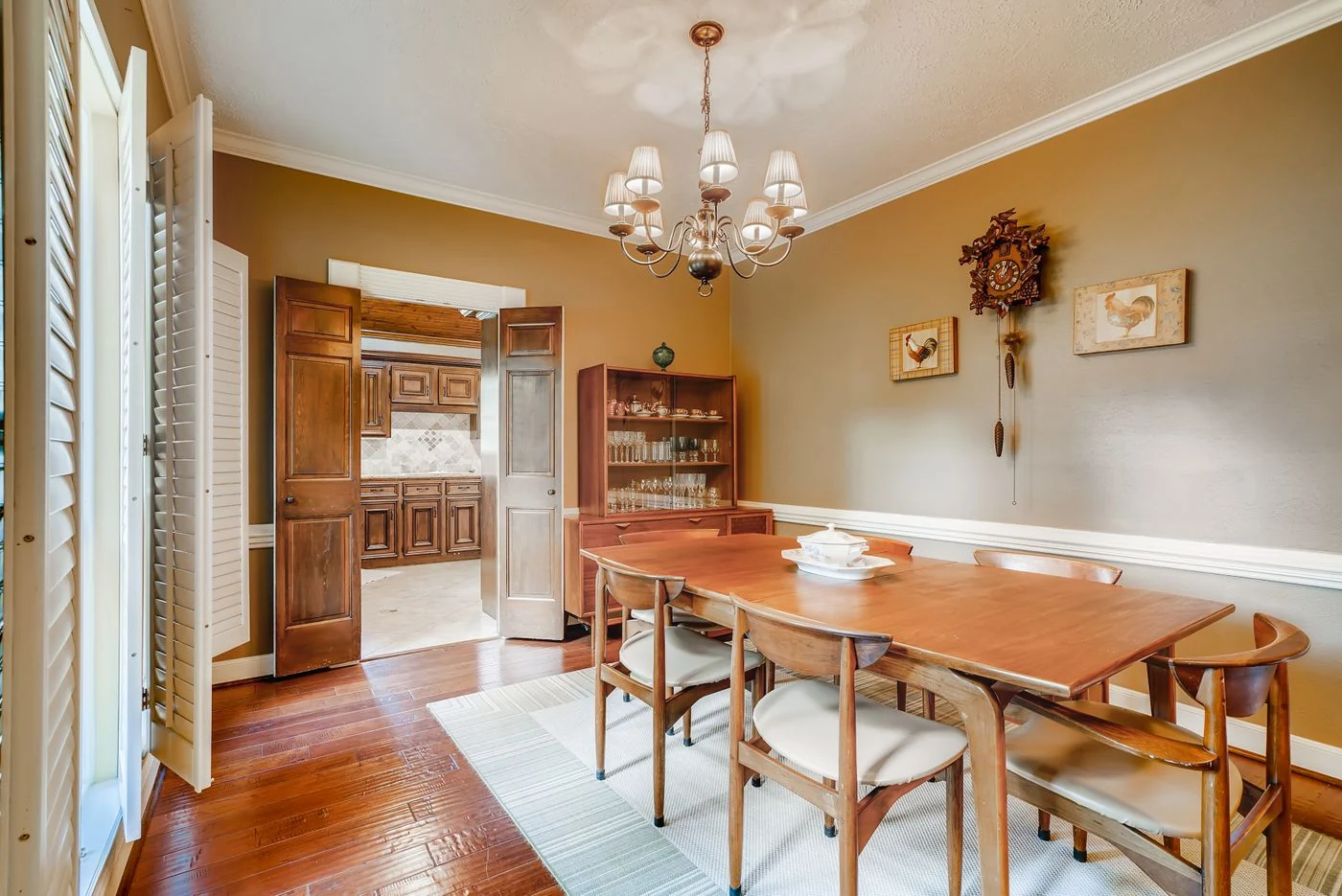
A dining room used only for special occasions can become either strangely untouched or gradually buried beneath other activities. The table holds mail, projects, and things waiting to go upstairs. Neither extreme makes the room especially welcoming when a meal finally happens there.
Decide which everyday uses genuinely belong. Reading, a puzzle, or occasional paperwork may fit comfortably. The important part is giving those activities a way to pause or finish without occupying the table indefinitely. A nearby drawer or portable container can help if it is large enough for the actual materials.
Keep the center of the table simpler than a permanent formal setting. Placemats, chargers, multiple vessels, and decorative stacks can make a useful surface feel unavailable. One movable arrangement may be enough, or the table can remain clear. Empty space does not mean the room has been neglected.
Make the reset specific
Choose where each non-dining activity goes before a meal. A puzzle board may have an appropriate temporary location; paperwork may return to a designated folder or storage area. Avoid a system that merely transfers the entire pile onto a chair, since the chairs are needed next.
Keep regularly used dining items close enough to retrieve without a long search. This does not require filling the room with extra storage. An existing cabinet may work better after its contents are edited. Store pieces according to their actual use and the furniture's loading guidance.
The room's comfort matters between gatherings as well. A chair chosen only for its appearance may discourage sitting there to read or work briefly. Appropriate lighting and a comfortable seat can give the room a broader daily role without changing its identity.
Notice the view into the dining room from adjoining spaces. A few clear shapes can make it feel connected to the house, while an elaborate centerpiece may look like a display waiting for an event. Let art, the table's material, or the chairs provide character instead of expecting the tabletop to carry all the decoration.
The goal is not to keep the room permanently ready for a dinner party. It is to make the transition from ordinary use to a meal straightforward. A room that gets used and resets easily often feels more generous than one preserved for a future occasion.