Does Your Entry Really Need a Bench?
A bench is useful if someone sits there or uses it deliberately. Otherwise it can become a long shelf for unfinished arrivals.
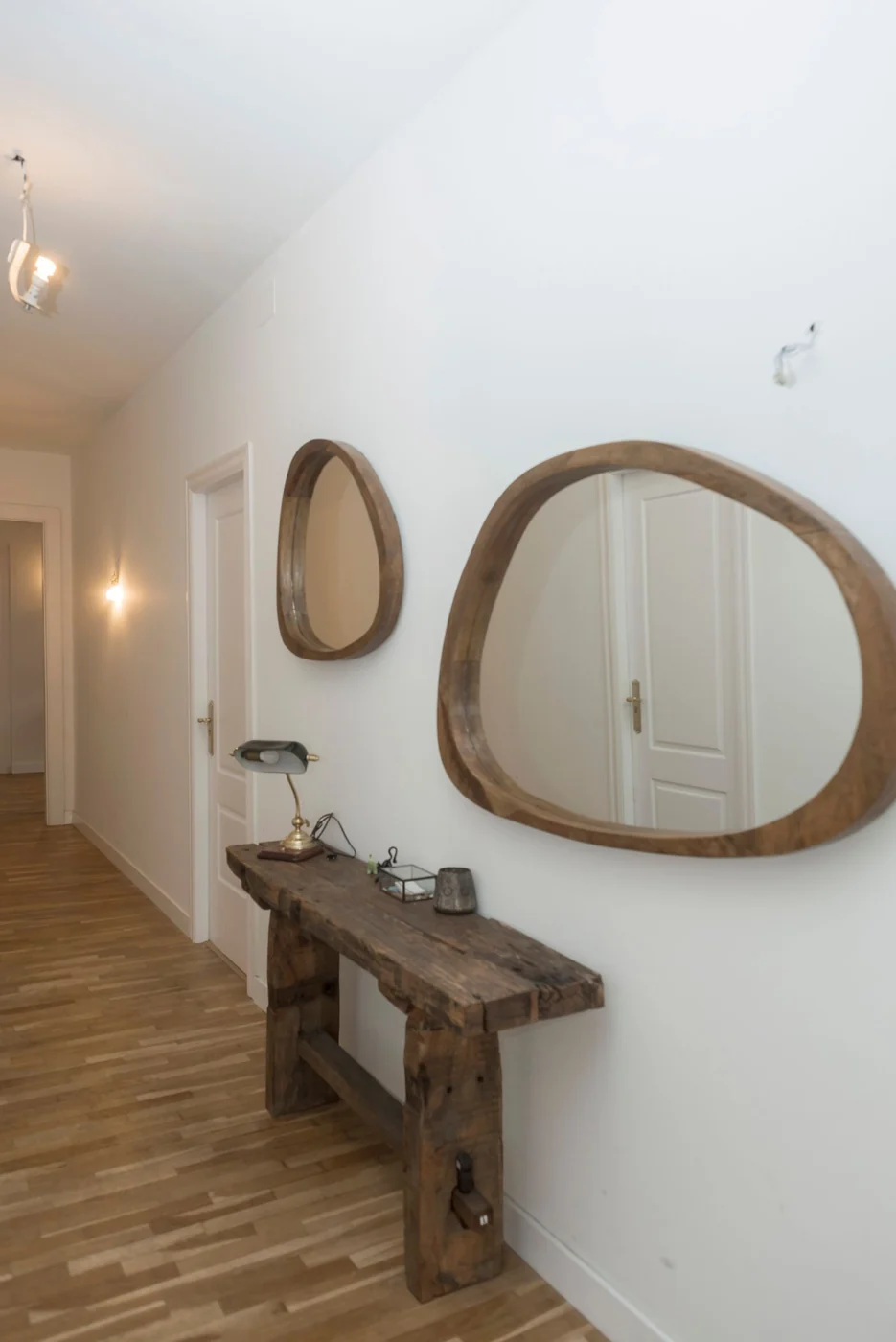
An entry bench looks welcoming in photographs, especially with a cushion and a basket underneath. But not every household pauses to sit near the door. If no one uses the seat, the bench can become an expensive place to pile bags while narrowing the entrance.
Notice the routine before choosing furniture. Does someone sit to put on shoes? Is there a comfortable place to do that elsewhere? Are bags set down briefly, or do they remain until the next morning? The answers determine whether a bench, a smaller seat, or a clear landing surface would help most.
Measure the entrance with the door open and with people moving through it. Include the bench's full depth and any cushion that projects beyond it. A seat that leaves an uncomfortable passage is not justified by the storage basket underneath.
Consider the seated task
If the bench is for putting on shoes, test its height, stability, and comfort for the people who will use it. A low decorative piece may be difficult for some users, while a deep upholstered bench can make leaning forward awkward. Use furniture intended and rated for seating, following its assembly and care guidance.
Storage below the bench can be useful if the contents remain easy to retrieve. A basket packed tightly beneath the seat may be inconvenient for daily shoes. Open space might work better, or the storage may belong elsewhere entirely. Do not force the bench to perform every entry function.
Keep the top available for its main purpose. If it is always covered by decorative pillows, the seat requires rearranging before it can be used. One appropriate cushion may add comfort, but a display of cushions can turn practical furniture into an obstacle.
Try a temporary suitable chair in the proposed position before buying a bench. It can reveal whether sitting there becomes part of the routine or whether the area simply collects more things. If the seat remains unused, a smaller landing surface or better coat storage may solve the actual problem. The entrance should become easier to pass through and use, not merely resemble an entryway image more closely.