Bring Softness to a Hard-Working Kitchen
A kitchen can feel warmer through color, wood, and a few considered surfaces without placing fabric or decor in the working areas.
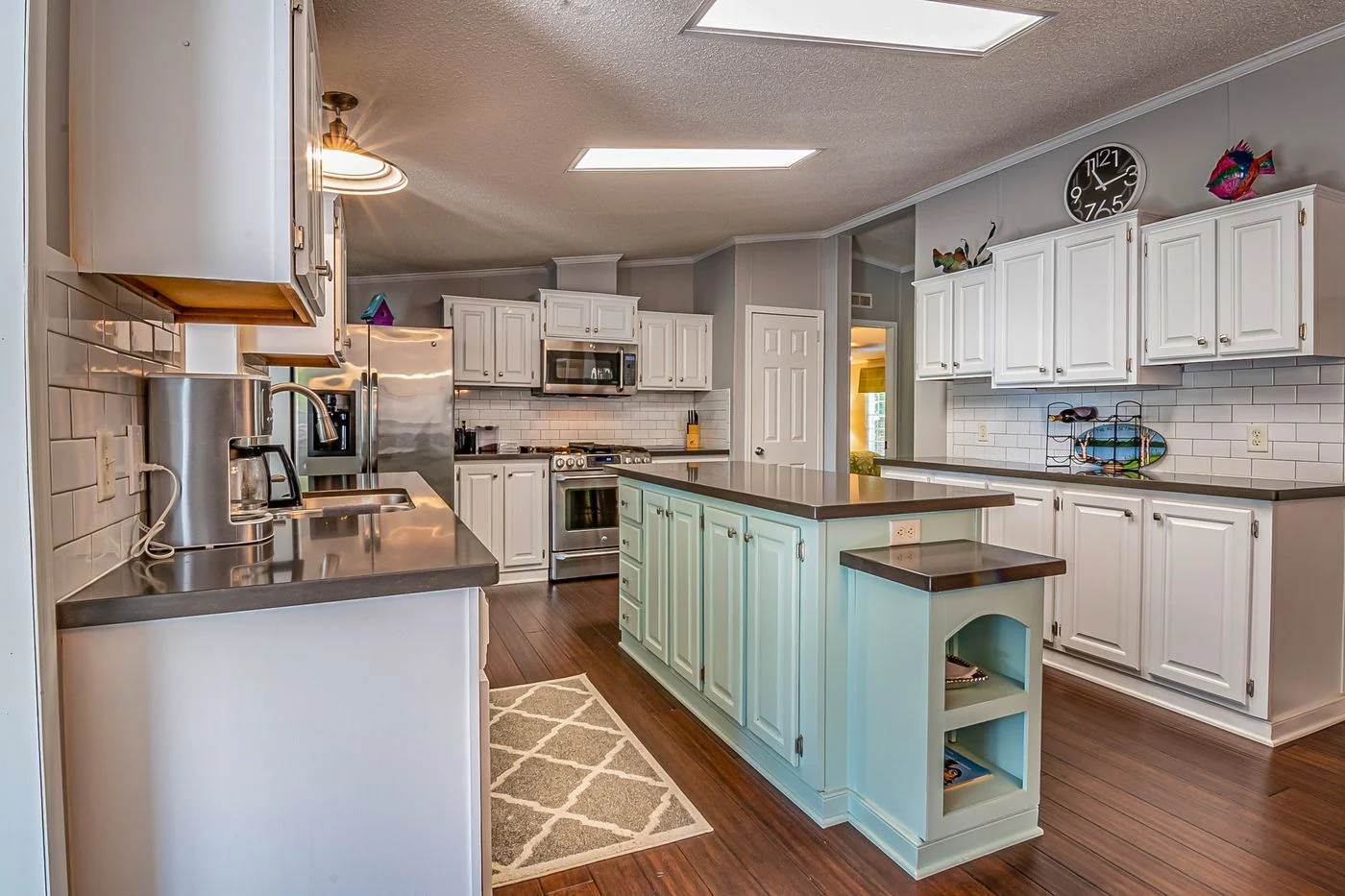
Kitchens contain many hard surfaces for good reasons. Counters, cabinet fronts, appliances, and flooring have jobs to do. Softening the room does not mean covering those surfaces with decorative layers; it means introducing a few contrasts where they will not interfere with work.
Look at the largest existing finishes first. A warm wooden stool may relate to a floor that already has a similar undertone. A muted textile at an appropriate window can connect plain cabinetry with the rest of the house. A small change feels more integrated when it responds to what is staying.
Color can supply softness without adding physical clutter. A useful bowl in a gentle tone or a restrained picture in a suitable location may change the impression of a hard-edged area. Avoid placing decorative objects near heat, water, or food-preparation tasks where they do not belong.
If there is a seating area, that is often the easiest place to introduce a more comfortable material. A well-fitting seat cushion or an upholstered chair designed for the use can make the kitchen feel less strictly functional. Check care instructions and consider how the household eats there before selecting a delicate fabric.
Window treatments need particular thought. The fabric, location, and operation should suit the kitchen's conditions and remain clear of equipment and hazards. A simple treatment can provide enough visual relief without an elaborate arrangement of folds. Privacy and light control may be more important than decorative fullness.
Bring in wood through something useful rather than displaying numerous cutting boards solely for their color. A table, chair, or appropriate storage piece can provide a substantial natural surface. If a board is part of food preparation, care for it according to its intended use rather than treating its appearance as the main concern.
Finally, inspect the counter. A crowded kitchen rarely feels softer simply because its clutter is made of natural materials. Clear working space allows the chosen textures to become visible. One warm-toned object beside a calm cabinet front may do more than a collection of baskets, jars, and towels competing along the same surface. The room can remain unmistakably a kitchen while feeling more connected to the people who use it.